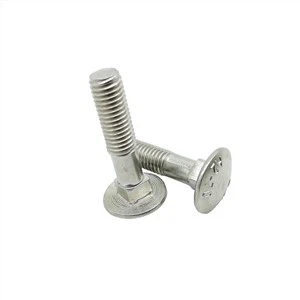
As a machine screw supplier, I've spent years working hand-in-hand with manufacturers, engineers, and material specialists to refine how screws are made-because I know the tiny fasteners that hold together everything from construction cranes to smartphones have a big hidden impact on the environment. When someone asks me about the environmental costs of our work, I don't just think about the screws themselves; I think about every step in the journey: from mining the raw metals that become screw blanks to the final packaging that gets them to a job site. Let's break this down, not as a textbook lecture, but as something I've learned from standing on factory floors and late-night calls with quality control teams.
The first environmental hit comes before a screw is ever shaped, in the extraction of its core materials. Most machine screws are made from carbon steel, alloy steel, or stainless steel-each requiring different mining and processing. Carbon steel, for example, starts with iron ore, which is mined in massive open-pit operations that clear forests, scar landscapes, and generate huge amounts of waste rock. In my time sourcing Hexagon Screw Head Bolts from reliable producers, I've seen first-hand how some mines leave behind toxic tailings ponds that can leach heavy metals into nearby water sources if not properly contained. Alloy steel adds elements like chromium, nickel, or molybdenum, each with their own mining footprints: chromium mining, for instance, is linked to soil contamination and air pollution from dust particles that carry the metal into surrounding communities. Even stainless steel, which is often touted for its durability, starts with mining nickel and ferrochrome-materials that have their own set of environmental costs. It's easy to focus on the end product (a screw that lasts decades) but the raw material stage is where the biggest initial impacts start to pile up.
Once the raw materials are mined, they go through processing to become metal billets or coils that will be cut into screw blanks. This step is energy-intensive, and most global metal refining still relies heavily on fossil fuels. Steel production, for example, accounts for around 7% of global carbon dioxide emissions, according to the World Steel Association. The blast furnaces used to melt iron ore burn coke (made from coal) to reach temperatures over 1,500 degrees Celsius, releasing CO2 and other pollutants like sulfur dioxide and nitrogen oxides that contribute to smog and acid rain. I've worked with suppliers who've invested in electric arc furnaces (EAFs) that run on recycled steel, which cuts emissions by up to 75% compared to traditional blast furnace production-but not all manufacturers have made that switch yet. When we source materials for machine screws, choosing producers with EAF technology is one small way we reduce our carbon footprint, but it's a gap that still exists across the industry.
The actual manufacturing of machine screws is a precise, multi-step process that adds another layer of environmental impact. The first step is cold heading, where a metal blank is placed in a die and shaped under extreme pressure to form the screw head-this is efficient in terms of material usage, as very little metal is wasted compared to machining a screw from a solid bar. But cold heading machines run 24/7 in many factories, using large amounts of electricity, and the lubricants used to prevent the metal from seizing up during shaping can be a source of water pollution if not properly treated. After heading, screws are threaded, often via rolling (another low-waste method) or machining. Machining, while less common for high-volume screws, generates metal shavings (swarf) that can be recycled-but if not collected properly, these shavings end up in landfills or waterways, where they can take years to break down.
Finishing is another critical step that has its own environmental trade-offs. Many machine screws go through surface treatment to prevent corrosion: zinc plating, hot-dip galvanizing, passivation, or painting. Zinc plating, for example, uses electrolytic baths that contain heavy metals and chemicals like cyanide in some older processes. If these baths are not treated before being discharged, they can contaminate local water supplies and harm aquatic life. Hot-dip galvanizing, which is often used for larger or more durable screws, involves dipping screws in molten zinc at over 450 degrees Celsius-this requires a lot of energy and releases zinc fumes, which, while regulated in most countries, still contribute to air pollution and can be harmful if not controlled. Even passivation, a process used for stainless steel screws to improve corrosion resistance, uses nitric acid or other chemicals that need careful handling and disposal. I've seen suppliers switch to environmentally friendly plating processes, like trivalent zinc plating, which uses less toxic chemicals than hexavalent zinc, but adoption is not universal across the industry.
Packaging and transportation are often overlooked environmental costs of machine screw production, but they add up, especially for small fasteners that are shipped around the world. Most screws are packaged in plastic bags, cardboard boxes, or metal drums-plastic packaging, while lightweight and protective, contributes to plastic waste that can take hundreds of years to decompose. Even cardboard packaging requires logging, which can lead to deforestation if not sourced from sustainable forests. Transportation amplifies these impacts: a single shipment of screws from a factory in one country to a distributor in another generates emissions from ships, trucks, or planes. As a supplier, I've worked with partners to reduce packaging waste by switching to recycled cardboard and biodegradable plastic wraps, and optimizing shipping routes to cut down on fuel use-small steps, but important ones to minimize our carbon footprint.
The good news is that there are ways to reduce these environmental impacts, and more manufacturers are starting to adopt sustainable practices. One of the biggest levers is increasing the use of recycled metal in screw production. Steel is 100% recyclable without losing quality, so using scrap steel from demolition or manufacturing waste cuts down on the need for new mining and reduces emissions. When we source materials for Hex Socket Set Screws, we prioritize suppliers that use at least 60% recycled steel in their production. Another key practice is improving waste management in factories: recycling metal shavings, treating lubricants and plating chemicals to remove toxins before discharge, and installing energy-efficient lighting and machinery to cut down on electricity use. Some companies are also investing in circular economy models, where screws are designed to be easier to repair, reuse, or recycle at the end of their life-extending their lifespan means fewer screws need to be produced in the first place.
But there's still a long way to go. The fastener industry is highly competitive, and many small manufacturers can't afford to invest in new, sustainable equipment. As a supplier, I see it as my responsibility to work with all partners-big and small-to prioritize sustainability, even when it means higher upfront costs. For example, when a customer comes to me for All-Metal Prevailing Torque Type Hexagon Nuts, I don't just look for the cheapest price; I ask about their production processes, their waste management policies, and their commitment to reducing emissions. This approach not only helps the environment but also gives our customers confidence that the products they're using are made with care.
At the end of the day, machine screws are a small part of the global supply chain, but their environmental impact is significant when you consider how many are produced every year-billions, all around the world. As someone who's been in this business for decades, I believe that sustainability doesn't have to come at the cost of quality or affordability. By working with suppliers that prioritize responsible mining, energy production, and waste management, we can reduce the environmental footprint of machine screw production without sacrificing the performance that our customers rely on.


If you're in the market for machine screws-whether you need Hexagon Screw Head Bolts for a construction project, Hex Socket Set Screws for industrial machinery, or All-Metal Prevailing Torque Type Hexagon Nuts for automotive applications-I invite you to get in touch to talk about our sustainable sourcing and manufacturing practices. We're always happy to share more about how we reduce our environmental impact, and to help you find the right fasteners for your project.