Hey there, ever found yourself mid-project staring at a pile of screws and bolts, going "Wait, can I actually use these for electrical stuff?" Spoiler: you're not alone. As a screws and bolts supplier who's fielded this exact question a hundred times (we sell everything from set screws to carriage bolts, so trust me on the random deep dives), I get why it's confusing. Electrical applications have weird, specific rules-you can't just grab a random fastener from your hardware bin and call it a day. Let's break this down like we chat at trade shows, no stuffy jargon, just the real tea on what works, what doesn't, and when to call in the pros.
First off, let's ground this in why fasteners matter for electrical work. This isn't like hanging a shelf where a loose screw is just an annoyance. In electrical stuff-think panel builds, wiring fixtures, outlet covers, even EV component assemblies-fasteners do two big jobs: they hold things tight so wires don't shift, and sometimes they're part of the electrical system itself (like grounding). Mess this up, and you've got short circuits, corrosion, or even fire risks. Not the vibe.
So, can you use regular screws and bolts? Short answer: sometimes, but only if they're the right type. Let's start with the no-gos first because that's easier. I've seen customers grab a random steel bolt from their backyard shed for a breaker panel-big mistake. Regular carbon steel fasteners rust over time, especially with electrical moisture, and rust is an insulator? Wait no, wait-rust is a crappy conductor, actually. If your ground bolt rusts, it can't carry current away from the panel, which is a huge hazard. Also, cheap zinc-plated fasteners (the ones that shine silver but are actually thin steel) can flake off, and those flakes can get into wiring, cause arcs, or just break loose mid-install. That's why we push folks toward materials that hold up here: stainless steel, alloy steel, or even brass or copper if they're working with high-current stuff.
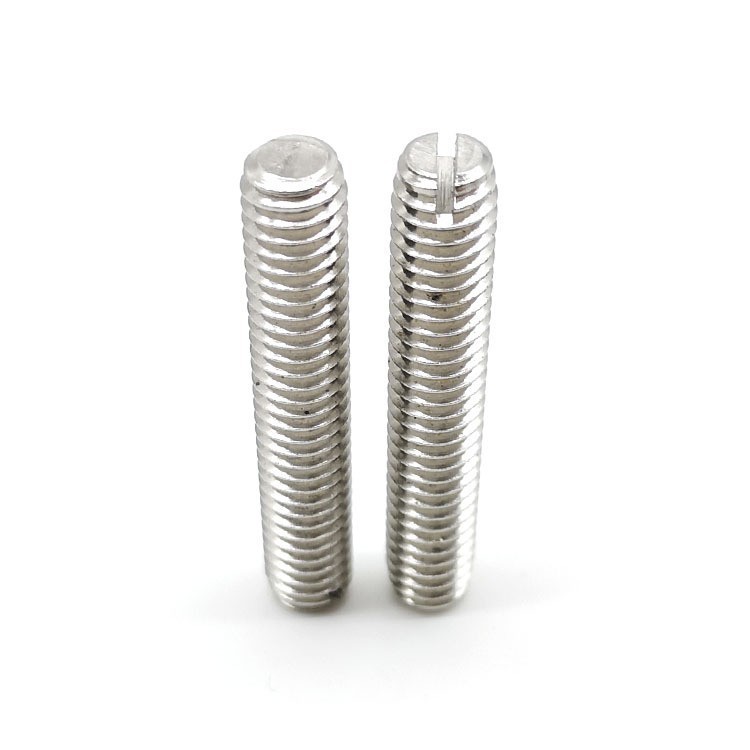
Now, let's talk specific fasteners that actually work for electrical applications, because you don't need to reinvent the wheel-we've got these in stock, so you can grab 'em for your next job. First up, set screws. These are tiny, no-head fasteners that grip shafts or fit into tapped holes, perfect for holding things like terminal blocks or small motor parts in place. Wait, not all set screws, though. Let's say you're securing a wire to a terminal-you need a set screw that won't mar the wire or lose its grip. Our Alloy Steel Cup Point Set Screws? The cup point is flat enough to dig into metal terminals without damaging stranded wire, and alloy steel here is hardened to stay tight, no loosening from vibration. We also have Slotted Hex Socket Set Screw With Flat Point for when you need a wider, gentler grip on softer metals-great for aluminum terminals that would dent with a sharper point. Both of these go through a passivation coating too, which helps resist corrosion, so they don't rust out in a tight panel space.
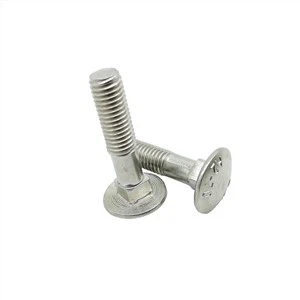
Then there are carriage bolts. Wait, carriage bolts sound like they're for fences, right? But hear us out-their square neck under the mushroom head is a game-changer for electrical work because it keeps the bolt from spinning when you're tightening the nut, no need for a wrench to hold the bolt head while you turn. That saves time, especially if you're working in cramped panel corners. We make two types that come up a lot here: Mushroom Head Square Neck Carriage Bolts and Stainless Steel Square Neck Carriage Bolts. The stainless steel ones are non-magnetic if you're working on sensitive electronics (no stray magnetic fields messing with circuit boards), and the mushroom head is smooth, so it won't catch on insulation when you're running wires. We see these used a lot for mounting electrical enclosures to walls or attaching bus bars-those thick metal bars that carry high current-since the square neck prevents spinning mid-torque.
Don't sleep on self-drilling screws either, especially for sheet metal panels. If you're building a custom electrical enclosure from thin steel, Pan Head Self Drilling Screws drill their own hole as you drive 'em, so no pre-punching, which cuts down on your install time. The pan head is low-profile, so it doesn't stick out where wires would rub, and we offer them in stainless steel too-perfect for outdoor electrical boxes where rain and humidity are a thing. Just make sure the drill point size matches the sheet metal thickness you're working with; too small and the screw won't grip, too big and it'll punch through the other side.

Now, the big "but" that we always hammer home: grounding. A lot of people forget that in electrical systems, you need a continuous electrical path to ground, so your fasteners aren't just structural-they're part of that path. If you use a non-conductive coating (like black oxide that's too thick, or a paint finish) on your fasteners, it can break the ground connection. Wait, we do have some fasteners with black oxide, but we make sure to note on our product pages when the coating is thin enough to not insulate, so you don't accidentally get a fastener that acts like an insulator instead of a conductor. Also, never use a drywall screw for electrical-those are thin, self-tapping, and often have a phosphate coating that can flake, plus they're not designed for the torque needed on bus bars or heavy enclosures.
Another common mix-up: thread size. Electrical enclosures often use metric threads (super common in industrial and commercial work) vs. standard imperial threads for residential stuff. We stock both, but make sure you're grabbing the right thread pitch for your project-nothing's worse than tightening a bolt just to have it strip out because you picked the wrong size. And always check the electrical code in your area-places like the NEC (National Electrical Code) in the US have specific rules for fasteners in electrical equipment, so don't skip that step. If you're unsure, shoot us a message-we've got folks who know this stuff inside and out, we're not just a screw supply, we're here to help.
Wait, let's talk about a time we messed up (full transparency, that's how we roll). A few months back, a customer came to us with a problem: their outdoor light fixture kept tripping the breaker. Turned out, they used regular zinc-plated screws to mount the fixture to the metal box. The screws rusted, created a gap between the fixture and the box, so the ground path was broken. We swapped 'em out for our Stainless Steel Square Neck Carriage Bolts, and they haven't had an issue since. That's exactly why we don't just sell fasteners-we help connect the dots between "what works" and "what's going to keep your job safe."
One more pro tip: if you're working with high-voltage components (like EV charging stations, industrial panels, or high-power transformers), go with alloy steel fasteners instead of stainless, because alloy steel has higher tensile strength, so it can handle the torque without stretching or breaking. We've got the Alloy Steel Cup Point Set Screws for those tight terminal connections, too. And for any outdoor applications, pick fasteners with a salt-spray corrosion rating of at least 500 hours-all our stainless and alloy steel bolts meet that, so you don't have to worry about rust after a winter or a summer of humidity.
Now, let's wrap this up: can you use screws and bolts in electrical applications? Yes, but only if you pick the right type, material, and size for the job. Skip the random hardware store grab, reach for fasteners designed to handle corrosion, maintain conductivity, and hold up to vibration and torque. Whether you're a contractor, a hobbyist building a custom enclosure, or an engineer putting together a new product, we've got the stuff you need-from set screws to carriage bolts, all tested to not let you down.
If you're not sure what you need, drop us a line to chat through your project-we're here to make sure you pick the right fastener, no stress, no confusing jargon. Just tell us what you're building, where, and what specs you need, and we'll point you straight to the right product.