Hey there, folks! As a supplier of screws and bolts, I've been getting a lot of questions lately about what type of lubricant is suitable for these little guys. Well, you've come to the right place! In this blog, I'm gonna break down the different types of lubricants and help you figure out which one is the best fit for your screws and bolts.
First off, let's talk about why lubrication is important in the first place. When you're working with screws and bolts, friction is your enemy. It can cause wear and tear on the threads, make it harder to tighten or loosen them, and even lead to corrosion over time. A good lubricant can reduce friction, protect the threads, and make your life a whole lot easier.

Types of Lubricants
1. Oil - Based Lubricants
Oil - based lubricants are probably the most common type out there. They're great at reducing friction and providing long - lasting protection. Mineral oils, for example, are affordable and widely available. They can be used on a variety of screws and bolts, from the small ones you use in your DIY projects to the big industrial - grade ones.
One of the advantages of oil - based lubricants is that they can penetrate deep into the threads, creating a smooth surface for the screws and bolts to move on. However, they can also attract dirt and dust, which might not be ideal in some environments.
2. Grease
Grease is another popular choice. It's thicker than oil, which means it stays in place better. This is especially useful for screws and bolts that are exposed to high temperatures or heavy loads. Grease can also provide excellent protection against corrosion.
There are different types of grease, such as lithium - based grease and silicone grease. Lithium - based grease is very versatile and can be used in a wide range of applications. Silicone grease, on the other hand, is great for applications where you need a lubricant that won't react with rubber or plastic parts.
3. Dry Lubricants
Dry lubricants, like graphite or PTFE (polytetrafluoroethylene), are a good option when you don't want a sticky or greasy residue. They work by creating a thin, slippery film on the surface of the screws and bolts.
Graphite is a natural lubricant that's great for high - temperature applications. It's also very good at reducing friction. PTFE, which is also known as Teflon, is a synthetic lubricant that has excellent non - stick properties. It's often used in applications where you need a low - friction surface, such as in machinery or automotive parts.
Choosing the Right Lubricant for Different Screws and Bolts
For General - Purpose Screws and Bolts
If you're working with everyday screws and bolts, like the ones you use around the house or in small DIY projects, a basic oil - based lubricant or a lithium - based grease should do the trick. These lubricants are easy to apply and provide good protection against friction and corrosion.
For example, if you're installing a new bookshelf and using regular wood screws, a little bit of oil on the threads will make it easier to drive the screws in and prevent them from stripping.
For High - Temperature Applications
When you're dealing with screws and bolts in high - temperature environments, such as in an engine or a furnace, you'll need a lubricant that can withstand the heat. High - temperature grease or dry lubricants like graphite are good choices. They won't break down under high heat and will continue to provide lubrication.
For Corrosive Environments
If your screws and bolts are exposed to moisture, chemicals, or saltwater, corrosion can be a big problem. In these cases, a lubricant with anti - corrosion properties is essential. Silicone grease or a specialized anti - corrosion oil can help protect the screws and bolts from rust and other forms of corrosion.
Our Product Range
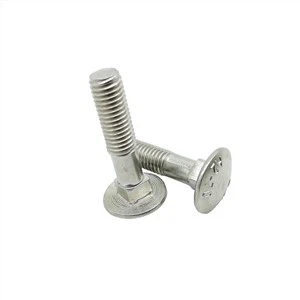
As a screws and bolts supplier, we offer a wide range of products that can benefit from proper lubrication. Check out our DIN603 Zinc Plated Class8.8 M6M8M10M12 Carriage Bolts. These bolts are zinc - plated for added corrosion resistance, but using the right lubricant can further enhance their performance and lifespan.
We also have Stainless Steel Square Neck Carriage Bolts. Stainless steel is already quite resistant to corrosion, but a good lubricant can make them easier to install and maintain.
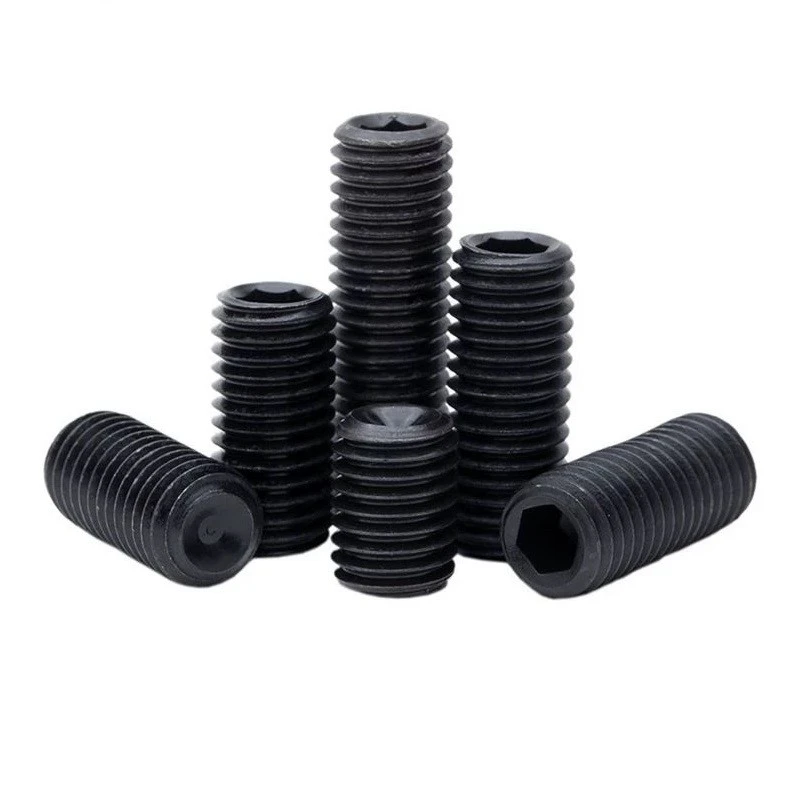
And don't forget our Alloy Steel Cup Point Set Screws. These screws are strong and durable, and with the right lubricant, they'll work even better.
How to Apply Lubricant
Applying lubricant to screws and bolts is pretty straightforward. For oil - based lubricants, you can use a small brush or a dropper to apply a thin layer of oil to the threads. Make sure to cover the entire length of the threads.
For grease, you can use your fingers or a grease gun to apply a small amount to the threads. Be careful not to use too much, as it can make a mess.
When using dry lubricants, you can either spray them on or apply them as a powder. Just make sure the surface is clean and dry before applying the lubricant.
Conclusion
Choosing the right lubricant for your screws and bolts is crucial for their performance and longevity. Whether you're working on a small DIY project or a large industrial application, there's a lubricant out there that's perfect for your needs.
If you have any questions about which lubricant to use or need more information about our screws and bolts, don't hesitate to reach out. We're here to help you make the best choice for your project. Contact us for a procurement discussion, and let's work together to get the right products for you.