Hey there! As a supplier of screws and bolts, I often get asked about the differences between screws and nails. It might seem like a simple question, but there's actually a lot to unpack. In this blog, I'll break down the key differences between these two fasteners and explain why you might choose one over the other.
Design and Appearance
Let's start with the obvious - how they look. Nails are pretty straightforward. They're typically smooth, with a sharp point at one end and a flat head at the other. The shaft is usually cylindrical, and they come in a variety of lengths and thicknesses.
On the other hand, screws have a threaded shaft. This thread is what makes screws unique. It wraps around the shaft in a spiral pattern, which allows the screw to be turned into a material. Screws also come in different head styles, like flat heads, pan heads, and round heads, each with its own purpose.
Installation Process
The way you install nails and screws is quite different. Nails are installed using a hammer. You simply place the nail on the material and give it a few good whacks until it's fully embedded. It's a quick and easy process, especially for large projects where you need to attach a lot of pieces together.
Screws, on the other hand, require a screwdriver or a drill. You insert the screw into the material and turn it clockwise until it's tightened. This process takes a bit more time and effort than using nails, but it gives you more control over the installation. You can adjust the depth of the screw and make sure it's properly secured.
Holding Power
One of the most important factors to consider when choosing between screws and nails is their holding power. Nails are great for holding materials together in a simple, straightforward way. They provide a strong, permanent connection, especially when used in softwood or other materials that are easy to penetrate.
Screws, on the other hand, offer even greater holding power. The threads on the screw grip the material tightly, creating a more secure connection. This makes screws ideal for applications where you need a lot of strength, such as in construction or furniture making.
Removability
Another difference between screws and nails is their removability. Nails are designed to be permanent. Once you hammer a nail in, it's not easy to remove it without damaging the material. This can be a problem if you need to make changes or repairs to your project.
Screws, on the other hand, can be easily removed and reused. You simply turn the screw counterclockwise with a screwdriver or drill, and it will come out of the material. This makes screws a great choice for projects where you might need to make adjustments or take things apart later.
Cost
Cost is always a factor when choosing between different fasteners. Nails are generally cheaper than screws, especially in large quantities. This makes them a popular choice for projects where cost is a major concern.
Screws, on the other hand, are more expensive. However, their greater holding power and removability can make them worth the extra cost in certain applications.
Applications
Now that we've covered the differences between screws and nails, let's talk about when you might choose one over the other.
Nails are great for general construction projects, such as building a deck, framing a house, or installing drywall. They're also commonly used in woodworking projects, like making furniture or cabinets.
Screws, on the other hand, are ideal for applications where you need a strong, secure connection. They're often used in metalworking, plumbing, and electrical work. Screws are also a popular choice for furniture assembly, as they allow you to easily disassemble and reassemble the pieces.
Our Products
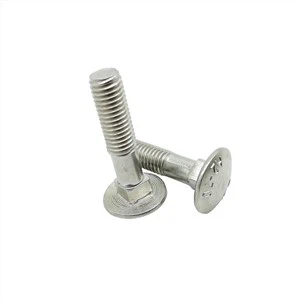
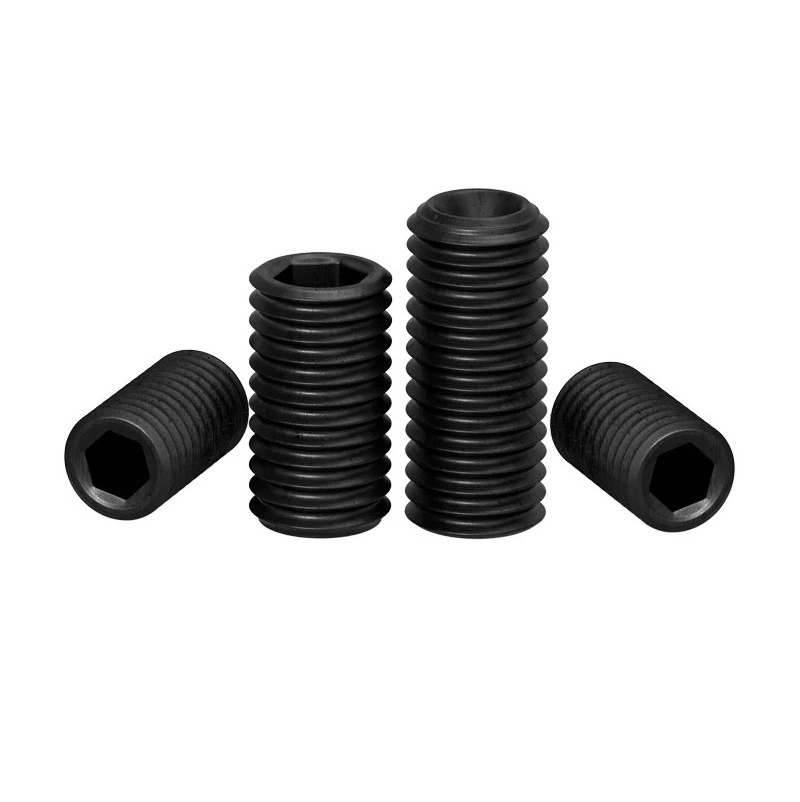
As a supplier of screws and bolts, we offer a wide range of products to meet your needs. Whether you're looking for Alloy Steel Cup Point Set Screws, Pan Head Self Drilling Screws, or Mushroom Head Square Neck Carriage Bolts, we've got you covered.
Our products are made from high-quality materials and are designed to provide reliable performance. We also offer competitive prices and excellent customer service, so you can be sure you're getting the best value for your money.

Conclusion
In conclusion, screws and nails are both important fasteners that have their own unique advantages and disadvantages. When choosing between the two, it's important to consider factors such as design, installation process, holding power, removability, cost, and application.
If you're still not sure which fastener is right for your project, don't hesitate to contact us. Our team of experts is here to help you choose the best product for your needs and answer any questions you might have.
So, if you're in the market for screws and bolts, give us a call or send us an email. We'd love to hear from you and help you find the perfect fasteners for your next project.