When it comes to handling screws and bolts, the question often arises: Can I use a power tool to install them? The answer depends on various factors, including the type of screw or bolt, the material you're working with, and the specific requirements of your project. As a seasoned Screws And Bolts supplier, I've seen firsthand the benefits and potential pitfalls of using power tools in the installation process. In this blog post, I'll delve into this topic, offering insights and practical advice to help you make an informed decision.
The Advantages of Using Power Tools for Screw and Bolt Installation
One of the primary advantages of using a power tool for screw and bolt installation is speed. Power tools, such as drills and impact drivers, can significantly reduce the time it takes to complete a project. For instance, when building a large wooden structure like a deck or a shed, manually tightening each screw or bolt can be a time-consuming and labor-intensive task. With a power drill or impact driver, you can quickly drive screws and bolts into place, allowing you to finish the project in a fraction of the time.


Another benefit is consistency. Power tools can provide a more consistent level of torque compared to manual methods. This is particularly important when working on projects that require a specific level of tightness for each screw or bolt. For example, in automotive or machinery applications, improper torque can lead to mechanical failures or safety hazards. A power tool can be set to deliver a precise amount of torque, ensuring that each screw and bolt is tightened to the correct specifications.
Power tools also offer greater convenience, especially when working in hard-to-reach areas. With a cordless drill or impact driver, you can move freely around the workspace without being restricted by cords. This makes it easier to access tight corners or elevated areas, where manual tools might be difficult to use effectively.
Types of Power Tools Suitable for Screw and Bolt Installation
There are several types of power tools that you can use for screw and bolt installation, each with its own unique features and applications.
- Drill: A drill is a versatile tool that can be used for both drilling holes and driving screws. Corded drills offer consistent power, making them suitable for heavy-duty applications. Cordless drills, on the other hand, provide greater mobility and are ideal for projects where you need to move around a lot. When using a drill to drive screws, make sure to use the appropriate drill bit or screwdriver bit.
- Impact Driver: An impact driver is designed specifically for driving screws and bolts. It delivers short, intense bursts of torque, making it more powerful than a regular drill. Impact drivers are especially useful for driving large or stubborn screws and bolts, such as those used in metal or hardwood. They are also less likely to cause the bit to cam out, which can happen with a drill when the bit loses its grip on the screw head.
- Screw Gun: A screw gun is a specialized tool that is designed for high-speed screw driving. It is similar to a drill but is optimized for driving screws quickly and efficiently. Screw guns are commonly used in construction and woodworking applications, where speed is of the essence.
Considerations When Using Power Tools for Screw and Bolt Installation
While power tools can offer many benefits, there are also some considerations to keep in mind when using them for screw and bolt installation.
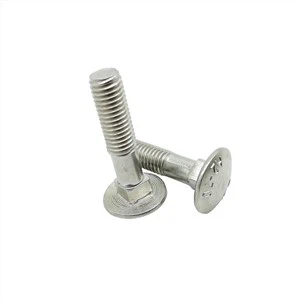
- Type of Screw or Bolt: Different types of screws and bolts require different installation techniques and tools. For example, Stainless Steel Square Neck Carriage Bolts have a square neck that prevents them from turning when being tightened. These bolts often require a wrench to hold the square neck while the nut is tightened with a power tool. Alloy Steel Cup Point Set Screws, on the other hand, are used to secure one object against another without the use of a nut. These screws typically require a hex key or Allen wrench to be tightened.
- Material: The material you're working with can also affect the choice of power tool and installation method. For example, when working with soft materials like wood, a lower torque setting on the power tool may be sufficient to prevent the wood from splitting. When working with hard materials like metal or concrete, you may need a more powerful tool and a specialized drill bit.
- Torque Control: As mentioned earlier, power tools can provide a consistent level of torque. However, it's important to use the appropriate torque setting for the specific screw or bolt you're installing. Over-tightening can damage the screw or bolt, as well as the material it's being installed into. Under-tightening can result in a loose connection that may fail over time. Some power tools come with adjustable torque settings, which allow you to control the amount of force applied.
Potential Risks of Using Power Tools
While power tools can make screw and bolt installation faster and more efficient, they also come with some potential risks. One of the main risks is the risk of over-tightening. Power tools can deliver a lot of torque quickly, and if not used carefully, they can easily over-tighten a screw or bolt. This can lead to stripped threads, cracked materials, or other damage. To minimize this risk, it's important to use the appropriate torque setting and to be mindful of the amount of force you're applying.
Another risk is the risk of injury. Power tools can be dangerous if not used properly. Always wear appropriate safety gear, such as safety glasses and gloves, when using a power tool. Make sure the tool is in good working condition and follow the manufacturer's instructions for use.
Conclusion
In conclusion, using a power tool to install screws and bolts can be a great way to save time, improve consistency, and increase convenience. However, it's important to consider the type of screw or bolt, the material you're working with, and the specific requirements of your project. By choosing the right power tool and using it correctly, you can ensure a successful installation.
As a Screws And Bolts supplier, we offer a wide range of high-quality screws and bolts, including Stainless Steel Square Neck Carriage Bolts, Alloy Steel Cup Point Set Screws, and Wafer Head Drilling Screw. If you have any questions about our products or need advice on screw and bolt installation, please don't hesitate to contact us. We're here to help you make the best choices for your projects.