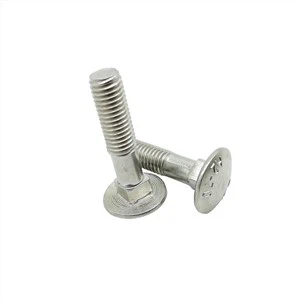
Do washers need to be protected from certain chemicals? Well, as a washer supplier, I've seen my fair share of washer issues, and chemical exposure is definitely a big one. So, let's dive right in and talk about why protecting washers from specific chemicals is super important.
First off, let's understand what washers are. Washers are small but mighty components that play a crucial role in various applications. They're used to distribute the load of a threaded fastener, prevent damage to the surface being fastened, and sometimes even provide a locking function. We offer a wide range of washers, like Standard Spring Washer, Stainless Spring Washers, Heavy Washer, Stainless Steel Split Lock Washers, and Standard Spring Lock Washers. Each type has its own set of properties and uses, but they all have one thing in common - they can be affected by chemicals.


Chemicals can have a variety of negative impacts on washers. One of the most common problems is corrosion. When washers come into contact with corrosive chemicals, such as acids, alkalis, or saltwater, the metal starts to break down. This can lead to pitting, rusting, and eventually, the failure of the washer. For example, if you're using a standard steel washer in an environment where it's exposed to saltwater on a regular basis, it won't take long for rust to start forming. Once the rust sets in, the washer's structural integrity is compromised, and it may not be able to perform its intended function properly.
Another issue is chemical reactions. Some chemicals can react with the material of the washer, causing it to weaken or change its properties. For instance, certain solvents can dissolve or soften the coating on a washer, making it more vulnerable to corrosion and wear. This is especially important to consider if you're using washers in a chemical processing plant or a laboratory, where they may be exposed to a wide range of aggressive chemicals.
So, how can we protect washers from these harmful chemicals? Well, one of the simplest ways is to choose the right material for the job. For environments with high chemical exposure, stainless steel washers are often a great choice. Stainless steel is highly resistant to corrosion and chemical attack, making it suitable for use in harsh conditions. Our Stainless Spring Washers and Stainless Steel Split Lock Washers are made from high-quality stainless steel, which provides excellent protection against a variety of chemicals.
In addition to choosing the right material, we can also use protective coatings or finishes. Coatings like zinc plating, nickel plating, or epoxy coating can provide an extra layer of protection for the washer. These coatings act as a barrier between the washer and the chemicals, preventing direct contact and reducing the risk of corrosion and chemical reactions. However, it's important to note that the effectiveness of the coating depends on its quality and the type of chemicals it's exposed to.
Proper storage and handling are also crucial for protecting washers from chemicals. When washers are not in use, they should be stored in a dry, clean environment away from chemicals. If possible, they should be stored in sealed containers to prevent exposure to moisture and air. During handling, it's important to avoid contact with chemicals or other contaminants. Workers should wear appropriate protective gear, such as gloves and goggles, when working with chemicals and washers.
Let's take a look at some real-world examples to see the importance of protecting washers from chemicals. In the automotive industry, washers are used in various parts of the engine and other systems. If these washers are exposed to engine oil, coolant, or other chemicals, they can corrode and fail over time. This can lead to leaks, loss of performance, and even engine damage. By using washers that are resistant to these chemicals and taking proper precautions, automotive manufacturers can ensure the reliability and longevity of their products.
In the construction industry, washers are used in building structures to secure bolts and nuts. If these washers are exposed to acidic rainwater or chemicals used in construction materials, they can rust and weaken. This can compromise the structural integrity of the building and pose a safety risk. By choosing the right washers and protecting them from chemical exposure, construction companies can ensure the safety and durability of their buildings.
As a washer supplier, we understand the importance of providing our customers with high-quality washers that are suitable for their specific applications. We offer a wide range of washers made from different materials and with different coatings to meet the needs of various industries. Whether you're looking for a standard washer for a general application or a specialized washer for a high-chemical environment, we've got you covered.
If you're in the market for washers and want to learn more about how to protect them from chemicals, or if you have any questions about our products, don't hesitate to reach out. We're here to help you make the right choice and ensure that your washers perform at their best. Contact us today to start a conversation about your washer needs and let's work together to find the perfect solution for you.