Measuring the size of screws and bolts is a crucial skill, especially for those in the construction, manufacturing, and DIY sectors. As a trusted supplier of high - quality screws and bolts, I understand the importance of accurate measurements. In this blog, I'll share some in - depth knowledge on how to measure these essential fasteners.
1. Understanding the Basic Terminology
Before we start measuring, it's vital to familiarize ourselves with some key terms. The diameter of a screw or bolt is the width of the shaft, measured across the threads. The pitch is the distance between adjacent threads. The length is the measurement from the tip of the fastener to the end of the head. These basic terms form the foundation for accurate measurement.

2. Measuring the Diameter
The diameter of a screw or bolt is one of the most important measurements. For imperial fasteners, the diameter is often expressed in fractions of an inch or in gauge numbers. For example, a #8 screw has a specific diameter. To measure the diameter of a screw or bolt, you can use a caliper. A digital caliper is the most accurate tool for this task. Place the caliper jaws around the shaft of the fastener, just below the head. Make sure the caliper is perpendicular to the shaft to get an accurate reading.
For metric fasteners, the diameter is expressed in millimeters. For instance, an M6 bolt has a diameter of 6 millimeters. When measuring metric fasteners, the caliper should be set to the metric mode. It's important to note that the diameter measurement is taken at the major diameter of the threads, which is the outer edge of the threads.
3. Measuring the Pitch
The pitch of a screw or bolt is equally important. It determines how the fastener will fit into a threaded hole. To measure the pitch, you can use a pitch gauge. A pitch gauge is a tool with multiple teeth of different pitches. Place the pitch gauge on the threads of the fastener and find the tooth that matches the threads exactly. The number on that tooth indicates the pitch.
For metric fasteners, the pitch is usually given in millimeters. For example, an M8 bolt might have a pitch of 1.25 mm. In imperial fasteners, the pitch is often expressed as the number of threads per inch. So, if a fastener has 20 threads per inch, it means there are 20 threads in one inch of the shaft.
4. Measuring the Length
Measuring the length of a screw or bolt is relatively straightforward. For screws with flat heads, measure from the tip of the screw to the bottom of the head. For bolts with hexagonal heads, measure from the tip of the bolt to the base of the head. A ruler or a caliper can be used for this measurement. Make sure the measuring tool is placed along the axis of the fastener for an accurate reading.
5. Special Considerations for Different Types of Screws and Bolts
Carriage Bolts
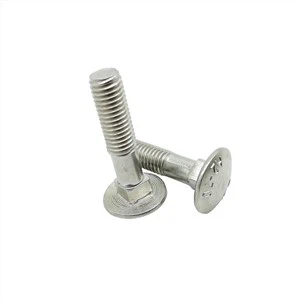
Carriage bolts are commonly used in woodworking and construction. When measuring carriage bolts, in addition to the diameter, pitch, and length, you also need to consider the shape of the head. Carriage bolts have a rounded head with a square neck. The square neck prevents the bolt from turning when a nut is tightened. We offer DIN603 Zinc Plated Class8.8 M6M8M10M12 Carriage Bolts, which are known for their high - strength and corrosion - resistance.
Set Screws
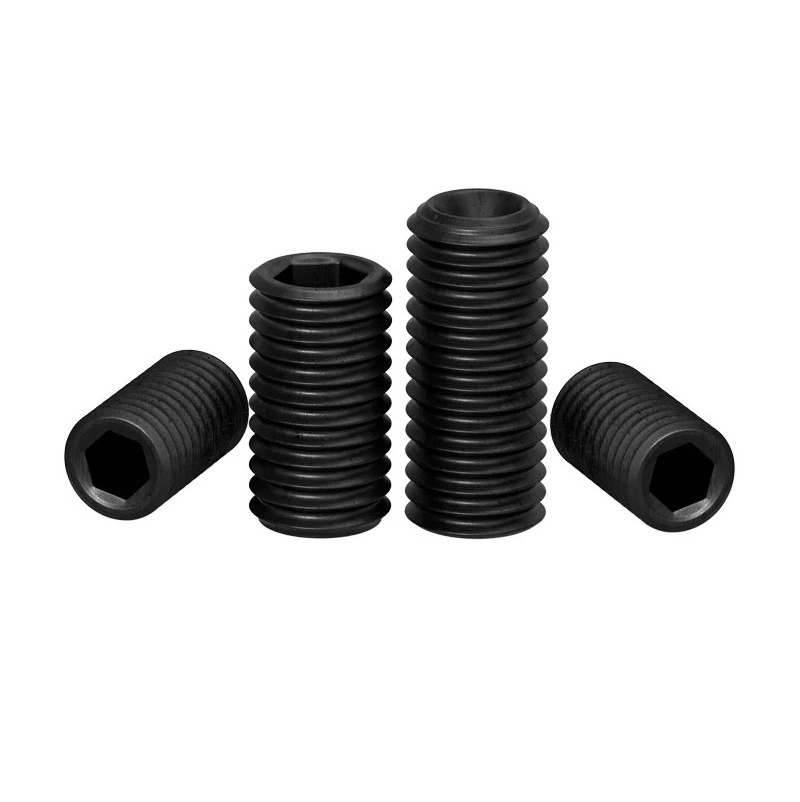
Set screws are used to secure one object to another. They often have a cup - point design. When measuring set screws, pay attention to the diameter and length. The cup - point helps to grip the surface firmly. Our Alloy Steel Cup Point Set Screws are made from high - quality alloy steel, providing excellent durability.
Square Neck Carriage Bolts
Square neck carriage bolts are similar to regular carriage bolts but have a square neck for better anti - rotation. Measuring them involves the same basic parameters as other bolts. We supply Stainless Steel Square Neck Carriage Bolts, which are ideal for applications where corrosion resistance is required.
6. Importance of Accurate Measurements
Accurate measurements of screws and bolts are essential for several reasons. Firstly, it ensures a proper fit. If the diameter or pitch is incorrect, the fastener may not thread into the hole properly, leading to a loose or unstable connection. Secondly, it helps in selecting the right fastener for the job. Different applications require different sizes and types of screws and bolts. For example, a heavy - duty construction project may need larger and stronger bolts than a simple DIY project.
7. Quality Control in Measurement
As a screws and bolts supplier, we have a strict quality control process in place. Our products are measured multiple times during the manufacturing process to ensure accuracy. We use advanced measuring tools and follow international standards. This ensures that our customers receive high - quality fasteners that meet their requirements.
8. Tips for Measuring
- Always clean the fastener before measuring to remove any dirt or debris that could affect the measurement.
- When using a caliper, make sure it is calibrated regularly to ensure accurate readings.
- If you're unsure about the measurement, take multiple readings and calculate the average.
9. Conclusion
Measuring the size of screws and bolts is a fundamental skill that can save time, money, and ensure the safety and stability of your projects. Whether you're a professional in the construction industry or a DIY enthusiast, understanding how to measure these fasteners accurately is crucial.
If you're in need of high - quality screws and bolts, we're here to help. Our wide range of products, including the ones mentioned above, are designed to meet the diverse needs of our customers. Contact us to discuss your specific requirements and start your procurement process. We're committed to providing you with the best products and services.