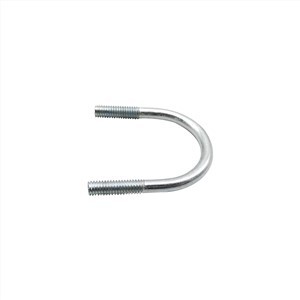
When it comes to the world of screws and bolts, one of the fundamental distinctions that professionals and DIY enthusiasts alike need to understand is the difference between fine - thread and coarse - thread screws. As a supplier of Screws And Bolts, I've witnessed firsthand how the choice between these two types can significantly impact the success of a project. In this blog, I'll delve into the key differences, applications, and advantages of each type.
Thread Design and Pitch
The most obvious difference between fine - thread and coarse - thread screws lies in their thread design and pitch. Coarse - thread screws have a larger pitch, which means there are fewer threads per unit of length. This results in threads that are wider and more spaced out. On the other hand, fine - thread screws have a smaller pitch, with more threads per unit of length, making the threads narrower and closer together.
The pitch of a screw is crucial as it determines how quickly the screw can be driven into a material. Coarse - thread screws, with their larger pitch, can be driven in faster because they require fewer rotations to advance the same distance compared to fine - thread screws. This makes them ideal for applications where speed is of the essence. For example, when building a wooden structure like a deck or a shed, using coarse - thread screws can save a significant amount of time during the assembly process.
Holding Power
Holding power is another critical factor to consider when choosing between fine - thread and coarse - thread screws. Fine - thread screws generally offer better holding power in hard materials such as metal or hardwood. The smaller, more closely spaced threads create more contact points with the material, which increases friction and provides a stronger grip. This makes them suitable for applications where a secure and long - lasting connection is required, such as in machinery or automotive parts.
Coarse - thread screws, however, are better suited for softer materials like softwood or plastic. The wider threads can bite into these materials more easily, preventing the screw from stripping the material as it is driven in. In softwood, for instance, a coarse - thread screw can provide sufficient holding power without causing the wood to split.
Resistance to Vibration
Vibration resistance is an important consideration in applications where the screw will be exposed to constant movement or shaking. Fine - thread screws tend to have better resistance to vibration compared to coarse - thread screws. The increased number of contact points between the fine threads and the material helps to prevent the screw from loosening over time. This makes them a popular choice for applications in the automotive and aerospace industries, where components are subject to high levels of vibration.
Coarse - thread screws, while not as vibration - resistant as fine - thread screws, can still be used in applications where vibration is not a major concern. In general construction projects, for example, the static nature of the structure means that vibration is usually not a significant factor, and coarse - thread screws can provide a reliable connection.
Ease of Installation
As mentioned earlier, coarse - thread screws are easier and faster to install. Their larger pitch allows for quicker driving, especially in softer materials. This is a significant advantage when working on large - scale projects where time is money. Additionally, coarse - thread screws are less likely to bind or jam during installation, which can save time and frustration.
Fine - thread screws, on the other hand, require more precision during installation. The smaller threads are more prone to damage if the screw is not aligned correctly or if too much force is applied. However, with the right tools and techniques, fine - thread screws can be installed effectively in a wide range of applications.
Applications
The choice between fine - thread and coarse - thread screws ultimately depends on the specific application. Here are some common applications for each type:
Coarse - Thread Screws
- Woodworking: Coarse - thread screws are widely used in woodworking projects, such as building furniture, cabinets, and framing. They are ideal for joining pieces of wood together quickly and securely.
- General Construction: In construction, coarse - thread screws are used for tasks like attaching drywall, installing siding, and building decks. Their ability to quickly penetrate and hold in soft materials makes them a popular choice for these applications.
- Plastic Assembly: Coarse - thread screws can be used to assemble plastic components, as they can easily bite into the plastic without causing it to crack or break.
Fine - Thread Screws
- Metalworking: Fine - thread screws are commonly used in metalworking applications, such as assembling machinery, fabricating metal structures, and repairing automotive parts. Their high holding power and vibration resistance make them suitable for these demanding applications.
- Electronics: In the electronics industry, fine - thread screws are used to secure components in place. Their small size and precise threading allow for accurate installation in tight spaces.
- Precision Machinery: Fine - thread screws are essential in precision machinery, where a secure and stable connection is required. They are used in applications such as watches, cameras, and medical devices.
Our Product Offerings
As a Screws And Bolts supplier, we offer a wide range of both fine - thread and coarse - thread screws to meet the diverse needs of our customers. For example, our Wafer Head Drilling Screw is available in both fine - and coarse - thread options, making it suitable for various applications. The wafer head design provides a low - profile appearance, which is ideal for applications where a flush finish is required.

Our Stainless Steel Square Neck Carriage Bolts are another popular product. These bolts are available in different thread pitches, allowing you to choose the one that best suits your application. The square neck design prevents the bolt from turning when tightening the nut, providing a more secure connection.
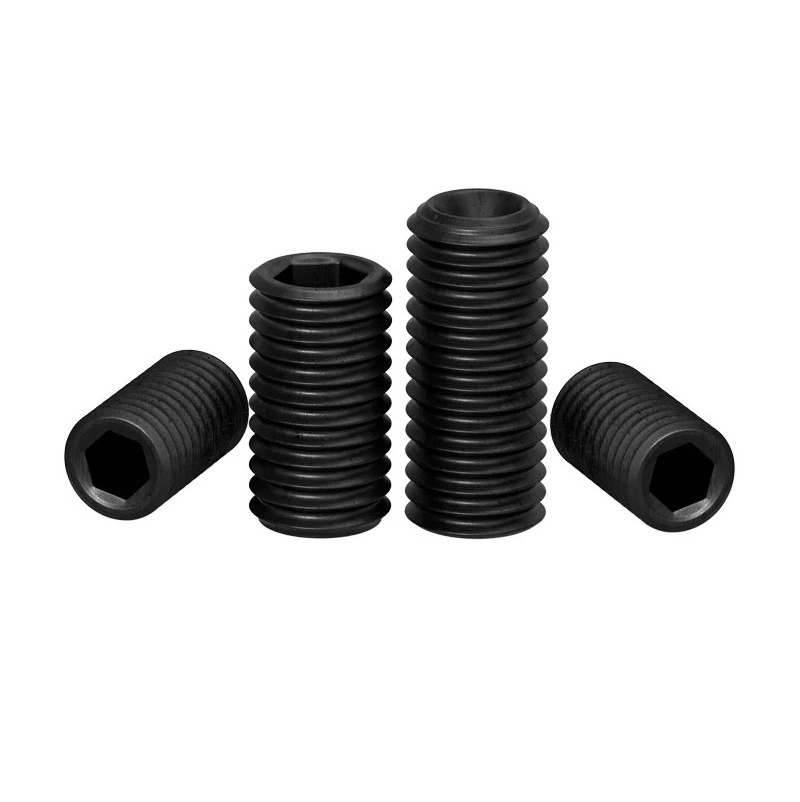
We also offer Alloy Steel Cup Point Set Screws in fine - thread configurations. These screws are commonly used to secure components in place without the need for additional fasteners. The cup point design provides a precise and secure hold, making them ideal for applications in machinery and equipment.
Contact Us for Procurement
If you're in the market for high - quality screws and bolts, whether it's fine - thread or coarse - thread, we're here to help. Our team of experts can assist you in choosing the right products for your specific application. We offer competitive prices, fast delivery, and excellent customer service. Contact us today to start your procurement process and ensure the success of your project.
References
- Machinery's Handbook: A comprehensive reference book for mechanical engineers and machinists, which provides detailed information on screw design, properties, and applications.
- Woodworking Magazine: Articles and guides on woodworking techniques, including the use of different types of screws in woodworking projects.
- Automotive Engineering Journal: Research papers and articles on automotive design and manufacturing, which often discuss the use of screws and bolts in automotive applications.