


If you've ever assembled furniture, installed metal roofing, or finished a woodworking project, you've probably run into that little problem: a screw head sticking up, ruining the smooth, clean look of your work, or catching on fabric, tools, or even skin. That's where countersunk screws come in-they're not just another fastener; they're a purpose-built solution for projects where flushness and functionality matter as much as holding power. As a supplier of quality screws and bolts, I've spent years walking tradespeople, DIYers, and manufacturers through when to reach for these screws, how they work, and why they're a go-to for so many applications. Let's break it down, no fancy jargon, just what you need to know.
First, what exactly is a countersunk screw? It's a screw with a specially shaped conical (or countersinking) head that tapers down towards the shaft, designed to sit below or flush with the surface of the material it's fastened into. Unlike round, pan, or wafer heads that sit proud of the surface, the tapered head nestles into a matching countersink (a conical hole you drill or mill into the top material) so the top of the screw is level with, or slightly recessed from, the surface. That recess is key for two big reasons: it eliminates protrusions and keeps the surface smooth, which is critical for everything from finished cabinetry to exterior siding.
Not all countersunk screws are the same, though. The head design varies depending on the drive type (Phillips, slotted, Torx, etc.) and the specific angle of the cone, which ranges from 82 degrees for most general-purpose uses to 90, 100, or even 120 degrees for specialized jobs. That angle has to match the countersink you're using-if the cone is too steep or too shallow, the head won't seat properly, leaving a gap or sticking up. A common mistake new DIYers make is grabbing a standard screw and trying to force it into a countersink made for a different angle, which leads to stripped heads or a wobbly fastener.
Now, let's talk about the core purposes of countersunk screws, because their design isn't just for looks-each purpose ties back to functionality and performance. The first and most obvious purpose is achieving a flush, smooth surface. For interior projects like kitchen cabinet doors, bookcases, or custom woodworking, a protruding screw head is an eyesore. Imagine building a set of floating shelves where every fastener sticks out; it would ruin the sleek, modern finish you're going for. The same goes for exterior projects like decking, patio furniture, or fence panels-protruding heads can catch on shoes, patio furniture legs, or even clothing, creating a tripping hazard or damaging fabrics over time. For metalworking, like attaching sheet metal to a frame, a flush surface prevents snags on equipment or finished products, like metal garage doors or truck bed liners.
The second big purpose is distributing clamping force evenly across the surface. Because the countersunk head tapers, when you drive the screw in, the entire underside of the head makes contact with the inner walls of the countersink, instead of just a small ring. That even distribution reduces the risk of the screw pulling through the top material-especially important for softer materials like pine, MDF, or thin plywood. If you used a round head screw on MDF, for example, the point load from the edge of the head would likely tear out the material, leaving a weak joint; a countersunk screw's wide, tapered head spreads that load across a larger area, creating a stronger, more durable connection.
A related purpose is improving structural stability in applications where surface alignment is key. For example, when assembling steel beams in a construction project, or attaching guide rails for a sliding door, any slight protrusion or misalignment can throw off the entire system. Countersunk screws sit perfectly flush, ensuring that adjacent pieces fit together tightly without gaps or unevenness that could lead to structural issues down the line. This is also why they're so popular in manufacturing, where precision and consistency are non-negotiable-every fastener has to sit exactly where it's supposed to, no exceptions.
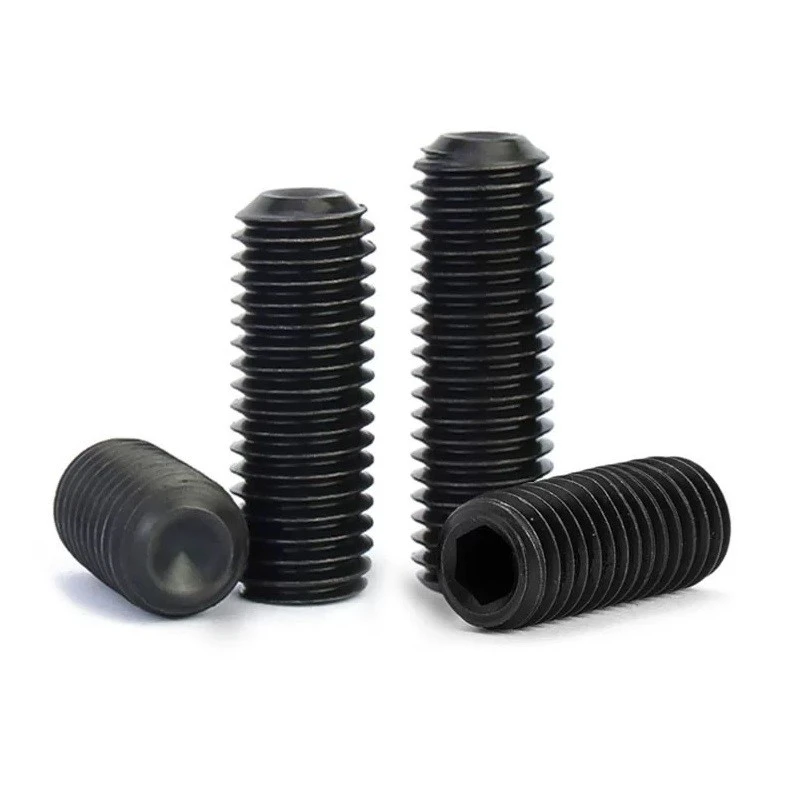
Wait, but not all countersunk screws are ideal for every job. Let's compare them to other common fasteners to give you context. If you need a screw that's quick to install without pre-drilling, for example, a Pan Head Self Drilling Screw might be a better fit-their flat pan heads don't require a countersink, so you can drive them straight through metal or wood in one step. For heavy-duty fastening where you need extra bearing surface, a Wafer Head Drilling Screw has a wider, flatter head that can distribute more weight, though it doesn't sit as flush as a countersunk screw. And if you're working in machinery or automotive applications where set screws are used to hold pulleys or shafts in place, Alloy Steel Cup Point Set Screws use a sharp tip to dig into metal, though they don't have a head that countersinks, so they're meant to sit partially in a pre-tapped hole without protruding.
Another type people often ask about is carriage bolts, which have a rounded, domed head instead of a countersunk one, so they sit proud of the surface. While Mushroom Head Square Neck Carriage Bolts (wait, no-wait, DIN603 Zinc Plated Class8.8 M6M8M10M12 Carriage Bolts are the standard square neck carriage bolts, right? Let me clarify: DIN603 carriage bolts have a smooth, rounded dome head that's designed to spin in the hole, so you can tighten the nut from the other side without the head turning. They're commonly used in fence building, decking, and structural applications where you don't need a flush surface, unlike countersunk screws. So the key difference is that carriage bolts are meant for joints where one side is accessible (usually the back) and you need a low-spin head, while countersunk screws are for flush surfaces where you have access to the top side.
Now, let's get into some real-world examples to show how countersunk screws are used. Take exterior decking: when building a wooden deck, using countersunk deck screws lets you sand and stain the entire surface evenly, no raised heads creating rough patches or holding water (which can lead to rot). When you countersink the screw, you can fill the recess with wood filler that matches the decking, so the entire deck looks seamless after finishing. For metal roofing, countersunk self-drilling screws (wait, yes, some self-drilling screws come with a countersunk head too) are used to attach corrugated metal panels, sitting flush so water runs off smoothly without catching on any protrusions. In furniture assembly, especially high-end custom pieces, countersunk screws are the standard because they allow you to finish the surface without any visible fasteners, giving the piece a professional, custom look that generic round head screws can't match.
As a screw and bolt supplier, I've seen firsthand how choosing the right countersunk screw makes or breaks a project. For example, a customer once came to me with a custom outdoor dining set they'd built, frustrated because the round head screws they'd used were sticking up, scratching patio furniture and catching on grass. I recommended countersunk deck screws, showed them how to drill a matching countersink, and now their set is smooth, durable, and looks exactly like a high-end store-bought piece. Another customer, a small construction contractor, needed countersunk screws for a window installation project where flushness was required to fit the trim correctly-using the wrong angle countersunk screw would have left gaps that would have led to air leaks and energy loss. That's the thing about countersunk screws: their specific design is tailored to those small, critical details that most people don't think about until it's too late.
It's also important to mention the considerations when choosing a countersunk screw, because not all are created equal. Material matters: if you're working outdoors, you need corrosion-resistant options like stainless steel or zinc-plated countersunk screws to prevent rust. For heavy-duty jobs, alloy steel countersunk screws offer higher tensile strength, making them ideal for structural applications. Drive type is another factor: Torx drive countersunk screws are less likely to cam out (strip) than Phillips drive, which is a big plus for DIYers and professionals who do a lot of driving. And as I mentioned earlier, the head angle has to match your countersink-most general-purpose countersunk screws are 82 degrees, which works for 90% of projects, but specialty applications might need a different angle.
Wait, let's circle back to the earlier fastener comparisons to make sure there's no confusion. If you need a flush surface but don't want to pre-drill a countersink, self-drilling screws with a countersunk head are a great option-they drill their own pilot hole and countersink in one step, saving time on projects like metal roofing or metal framing. If you're working with very hard materials like steel, Alloy Steel Cup Point Set Screws can be used in countersunk holes, though they're more for holding components in place than creating a flush surface that's smooth to the touch. For structural applications where you need a bolt instead of a screw, DIN603 Zinc Plated Class8.8 Carriage Bolts are the go-to, though their rounded head sits proud, so they're not a countersunk solution. And if you need a fastener that's wider than standard to distribute weight, Wafer Head Drilling Screws can be modified with a countersink, though they're more for heavy-duty fastening than aesthetic flushness.
A common question I get is: can I countersink a regular screw? Technically, you can drill a countersink with a drill bit that matches the angle of your screw head, but it's not recommended. Regular screws are designed to be driven into a straight pilot hole, and forcing them into a manually drilled countersink can cause the head to strip, the shaft to bend, or the material to split. It's always better to use a screw specifically designed for countersinking, with the correct head angle and strength rating for your project.

Now, let's talk about maintenance, because countersunk screws require a bit of care to keep working well. The recessed head can trap dirt, dust, and moisture, especially in outdoor applications, so regular cleaning of the countersink is important to prevent corrosion. If you're using wood filler in the recess, make sure it's completely dry before sanding or painting, otherwise it can crack or pull away from the screw. For metal applications, wiping down the countersink and screw head periodically prevents rust buildup that can make the screw hard to remove later.
At the end of the day, countersunk screws are a simple but essential fastener for projects that demand both function and aesthetics. They solve a problem that generic screws can't: creating a flush surface that's smooth, strong, and durable, no matter what you're building. Whether you're a DIYer working on your first deck, a cabinet maker crafting custom furniture, or a contractor on a large construction project, choosing the right countersunk screw makes all the difference in how your project turns out and how long it lasts.
If you're working on a project and not sure which countersunk screw is right for you, or if you need help navigating the different types of fasteners for your specific job, don't hesitate to reach out. As a dedicated screws and bolts supplier, I've got the expertise to help you pick the right product, whether it's a standard 82-degree countersunk wood screw, a corrosion-resistant stainless steel version for outdoor use, or a specialty countersunk self-drilling screw for metal applications. We also carry a full range of complementary fasteners, including Pan Head Self Drilling Screws for quick metal fastening, Alloy Steel Cup Point Set Screws for machinery applications, DIN603 Zinc Plated Class8.8 Carriage Bolts for structural needs, Mushroom Head Square Neck Carriage Bolts for fencing projects, and Wafer Head Drilling Screws for heavy-duty weight distribution. Whatever your fastener needs, we're here to help you get the job done right.


