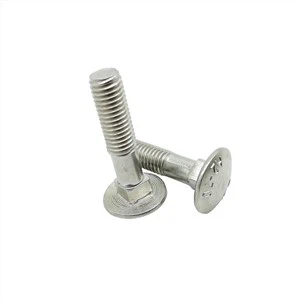
In the world of fasteners, screws and bolts play a pivotal role in countless applications, from construction projects to intricate machinery. As a dedicated screws and bolts supplier, I understand the importance of accurate measurements, especially when it comes to determining the diameter of a bolt. In this blog post, I'll share insights on how to measure the diameter of a bolt effectively, ensuring that you get the right fit for your specific needs.
Understanding Bolt Diameter
Before delving into the measurement process, it's essential to understand what bolt diameter represents. The diameter of a bolt refers to the width of the shank, which is the smooth, cylindrical part of the bolt that extends from the head to the tip. This measurement is crucial as it determines the compatibility of the bolt with nuts, washers, and other components in a fastening system.
There are two main types of bolt diameter measurements: nominal diameter and actual diameter. The nominal diameter is the size designation used to identify the bolt, such as M8 or 1/2". However, the actual diameter may vary slightly due to manufacturing tolerances. It's important to measure the actual diameter to ensure a proper fit.
Tools for Measuring Bolt Diameter
To measure the diameter of a bolt accurately, you'll need the right tools. Here are some commonly used tools for this purpose:
1. Vernier Caliper
A vernier caliper is a versatile measuring tool that can provide precise measurements of the bolt diameter. It consists of two jaws that can be adjusted to fit around the bolt, and a scale that displays the measurement. Vernier calipers are available in both metric and imperial units, making them suitable for a wide range of applications.
2. Micrometer
A micrometer is another precise measuring tool that can be used to measure the diameter of a bolt. It provides more accurate measurements than a vernier caliper and is often used in manufacturing and engineering applications. Micrometers are available in various types, including outside micrometers, which are specifically designed to measure the external diameter of objects.
3. Thread Gauge
A thread gauge is a tool used to measure the pitch and diameter of threads on a bolt. While it doesn't directly measure the bolt diameter, it can help you determine the appropriate size of the bolt based on the thread specifications. Thread gauges are available in different types, including metric and imperial, and are color-coded for easy identification.
Measuring the Bolt Diameter
Now that you have the right tools, it's time to measure the bolt diameter. Here's a step-by-step guide on how to do it:
Step 1: Clean the Bolt
Before measuring the bolt diameter, make sure the bolt is clean and free of dirt, debris, or rust. This will ensure accurate measurements and prevent damage to the measuring tools.
Step 2: Select the Appropriate Measuring Tool
Depending on the size and type of the bolt, choose the appropriate measuring tool. For most applications, a vernier caliper or micrometer will suffice.


Step 3: Take the Measurement
Open the jaws of the measuring tool and place them around the shank of the bolt. Make sure the jaws are perpendicular to the axis of the bolt and are in contact with the shank all the way around. Gently tighten the jaws until they fit snugly around the bolt.
Read the measurement on the scale of the measuring tool. For a vernier caliper, read the main scale and the vernier scale to get the precise measurement. For a micrometer, read the sleeve scale and the thimble scale.
Step 4: Check for Accuracy
To ensure the accuracy of the measurement, take multiple measurements at different points along the shank of the bolt. If the measurements vary significantly, check the measuring tool for any damage or calibration issues.
Tips for Measuring Bolt Diameter
Here are some tips to help you measure the bolt diameter accurately:
- Use the Right Tool: Choose the appropriate measuring tool based on the size and type of the bolt. For small bolts, a micrometer may be more accurate, while for larger bolts, a vernier caliper may be sufficient.
- Measure at the Right Location: Measure the diameter of the bolt at the point where it is most critical for the application. For example, if the bolt is used in a threaded connection, measure the diameter at the root of the threads.
- Be Careful Not to Damage the Bolt: When using a measuring tool, be careful not to damage the bolt. Avoid applying excessive pressure or using the tool in a way that could scratch or deform the bolt.
- Check the Tolerances: Different bolts may have different tolerances, so it's important to check the specifications to ensure that the measured diameter is within the acceptable range.
Importance of Accurate Bolt Diameter Measurement
Accurate bolt diameter measurement is crucial for several reasons:
- Proper Fit: A bolt with the correct diameter will fit properly into the corresponding nut, washer, or other components, ensuring a secure and reliable fastening.
- Safety: Using a bolt with the wrong diameter can compromise the safety of the fastening system, leading to potential failure or accidents.
- Performance: The diameter of a bolt can affect its strength and performance. Using a bolt with the correct diameter will ensure that it can withstand the required loads and stresses.
- Compatibility: Accurate bolt diameter measurement is essential for ensuring compatibility with other components in the fastening system. Using a bolt with the wrong diameter can result in improper fit or reduced functionality.
Our Wide Range of Screws and Bolts
As a leading screws and bolts supplier, we offer a wide range of products to meet your needs. Whether you're looking for Mushroom Head Square Neck Carriage Bolts, Alloy Steel Cup Point Set Screws, Slotted Hex Socket Set Screw With Flat Point, DIN603 Zinc Plated Class8.8 M6M8M10M12 Carriage Bolts, or Stainless Steel Square Neck Carriage Bolts, we have you covered.
Our products are made from high-quality materials and are manufactured to strict standards, ensuring reliability and performance. We also offer a variety of finishes and coatings to protect the bolts from corrosion and enhance their appearance.
Contact Us for Your Screw and Bolt Needs
If you're in need of high-quality screws and bolts, look no further. Our team of experts is ready to assist you in finding the right products for your specific application. Whether you have questions about bolt diameter measurement or need help selecting the appropriate fasteners, we're here to help.
Feel free to contact us to discuss your requirements and to start the procurement process. We're committed to providing excellent customer service and ensuring your satisfaction.