Hey there! As a washer supplier, I've seen all sorts of issues when it comes to washers, and one of the most common problems is dealing with a stuck washer. Whether you're a DIY enthusiast or a professional mechanic, a stuck washer can be a real pain in the neck. But don't worry, I'm here to share some tips and tricks on how to remove a stuck washer effectively.
Understanding Why Washers Get Stuck
Before we jump into the removal process, it's important to understand why washers get stuck in the first place. There are several reasons for this:
- Corrosion: Over time, washers can corrode, especially if they're exposed to moisture or harsh chemicals. Corrosion can cause the washer to bond to the surface it's in contact with, making it difficult to remove.
- Over - tightening: When a washer is tightened too much, it can deform and become wedged in place. This is common in high - pressure applications where people think more tightening means better performance.
- Debris and Dirt: Dirt, grime, and other debris can accumulate around the washer, causing it to stick. This is often the case in outdoor or industrial settings.
Tools You'll Need
To remove a stuck washer, you'll need a few basic tools. Here's a list:
- Screwdriver Set: A variety of flat - head and Phillips - head screwdrivers will come in handy. They can be used to pry the washer loose if it's not too tightly stuck.
- Pliers: Needle - nose pliers or locking pliers can grip the washer and help you pull it out.
- Wrench: Depending on the size of the washer and the application, you might need an adjustable wrench or a socket wrench to loosen any bolts or nuts holding the washer in place.
- Penetrating Oil: This is a must - have. Penetrating oil can seep into the crevices around the washer and break down the corrosion or bond that's causing it to stick.
Step - by - Step Removal Process
Step 1: Assess the Situation
First, take a good look at the stuck washer. Determine what's causing it to stick. Is it corrosion, over - tightening, or debris? This will help you decide which method to use for removal.
Step 2: Apply Penetrating Oil
Spray the penetrating oil generously around the edges of the washer. Make sure it gets into all the nooks and crannies. Let the oil sit for at least 15 - 20 minutes. This will give it time to work its magic and loosen the bonds holding the washer in place.
Step 3: Try Using a Screwdriver
If the washer isn't too tightly stuck, you can try using a screwdriver to pry it loose. Insert the tip of the screwdriver under the edge of the washer and gently apply pressure. Be careful not to damage the surface the washer is on. If the washer starts to move, keep prying until it comes loose.
Step 4: Use Pliers
If the screwdriver doesn't work, it's time to bring out the pliers. Use needle - nose pliers to grip the edge of the washer. If the washer has a hole in the center, you can insert the pliers through the hole and grip the opposite side. Once you have a good grip, pull the washer gently but firmly. If the washer is still stuck, try wiggling it back and forth while pulling.
Step 5: Loosen Bolts or Nuts
If the washer is held in place by bolts or nuts, use a wrench to loosen them. Make sure you turn the wrench in the correct direction (usually counter - clockwise to loosen). Once the bolts or nuts are loose, you might be able to remove the washer more easily.
Step 6: Seek Professional Help (if necessary)
If you've tried all the above methods and the washer is still stuck, it might be time to seek professional help. A mechanic or a handyman will have more specialized tools and experience to deal with stubborn washers.
Types of Washers and Their Removal Considerations
There are different types of washers, and each might require a slightly different approach to removal.
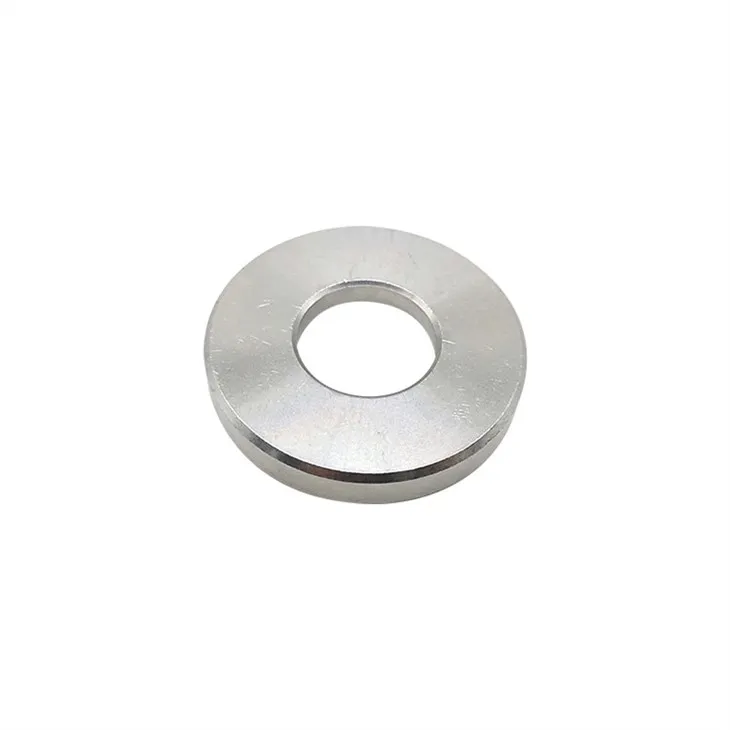
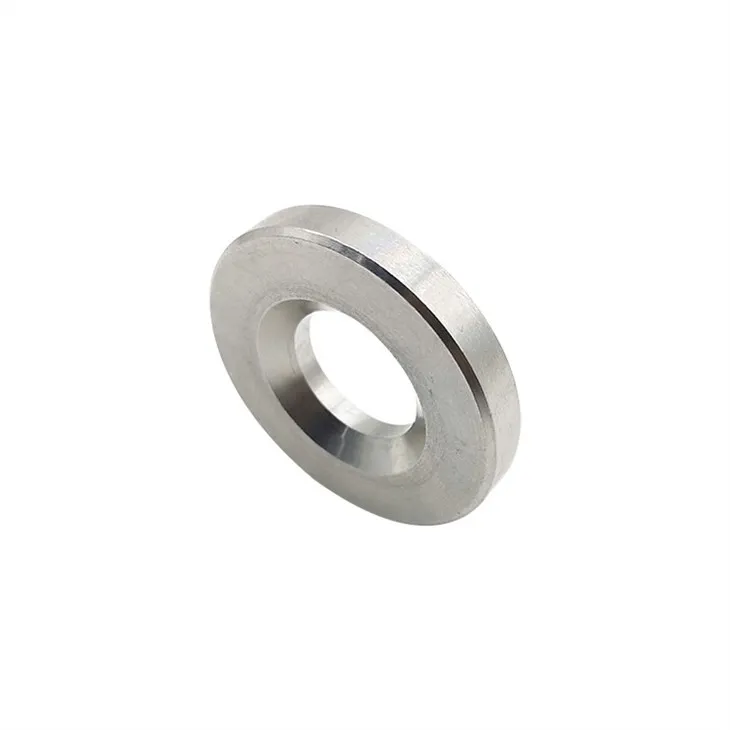
- Countersunk Washers: These washers are designed to sit flush with the surface. They can be a bit tricky to remove because there's not much edge to grip. You might need to use a small flat - head screwdriver to carefully pry them out from the sides.
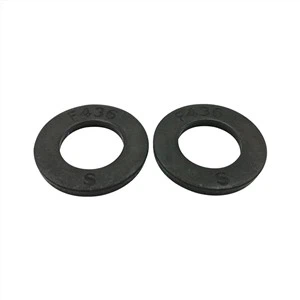
- Zinc SAE Washers: Zinc - coated washers are more resistant to corrosion, but they can still get stuck. The removal process is similar to other washers, but be careful not to scratch the zinc coating, as this can expose the metal underneath to corrosion.
- Flat Spring Washer With Square Ends: These washers have a spring - like action, which can make them more difficult to remove. You'll need to use pliers to grip the square ends and pull them apart while also trying to remove the washer from its position.
Preventing Washers from Getting Stuck in the Future
Once you've removed the stuck washer, you'll want to take steps to prevent it from happening again. Here are some tips:
- Use Anti - Seize Compound: When installing a new washer, apply a small amount of anti - seize compound to the bolt or nut threads. This will prevent corrosion and make it easier to remove the washer in the future.
- Don't Over - Tighten: Use a torque wrench to ensure you're tightening the bolts or nuts to the correct specifications. Over - tightening can cause the washer to deform and stick.
- Keep the Area Clean: Regularly clean the area around the washer to prevent debris and dirt from accumulating. This is especially important in outdoor or industrial environments.
Conclusion
Removing a stuck washer can be a frustrating task, but with the right tools and techniques, it's definitely doable. As a washer supplier, I've seen firsthand the importance of proper washer installation and maintenance. If you're in the market for high - quality washers, we've got you covered. Whether you need Countersunk Washers, Zinc SAE Washers, or Flat Spring Washer With Square Ends, we have a wide range of options to meet your needs.
If you have any questions about our products or need more advice on washer installation and removal, don't hesitate to reach out. We're here to help you with all your washer - related needs. Contact us to start a purchase negotiation, and let's find the perfect washers for your projects.
References
- "Handbook of Fastening Technology"
- "The Complete Guide to DIY Home Repairs"