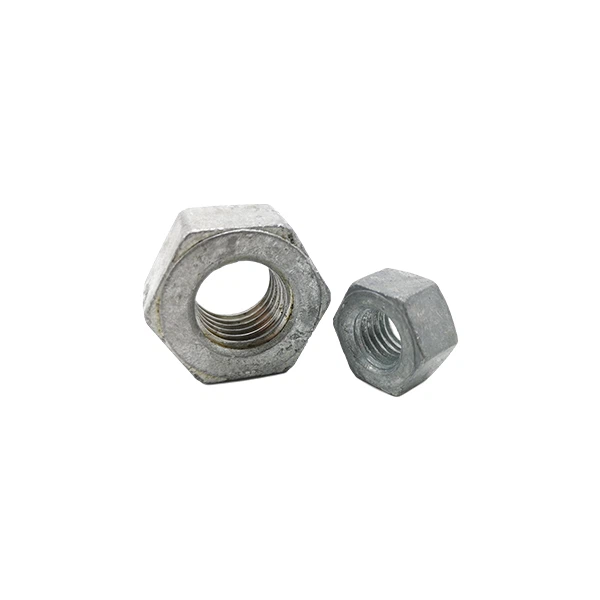
1. Electroplating
Galvanizing: This includes electroplating (thin layer, suitable for general environments) and hot-dip galvanizing (thick layer, strong corrosion resistance, suitable for harsh environments).
Nickel/Chrome Plating: Enhances corrosion resistance and aesthetics, but is more expensive.
2. Chemical Treatment
Phosphating: Forms a phosphate protective film. It must be used in conjunction with oiling to reduce friction and extend mold life.
Blackening (Oxidation): Low-cost, forms a black oxide film with weak corrosion resistance, mostly used for decorative purposes or light rust prevention.
3. Mechanical Plating: This process cold-welds metal powder to the surface through physical impact. Suitable for small parts such as screws and nuts, it produces a uniform coating without the risk of hydrogen embrittlement.
4. Dacromet Treatment: This zinc-aluminum-chromium coating offers extremely strong corrosion resistance (7-10 times that of galvanizing) and high-temperature resistance exceeding 300°C. However, it is expensive and has a monochromatic color. 5. Other Treatments
Hot-dip galvanizing: Provides a thick zinc layer, suitable for outdoor use or highly corrosive environments.
Painting/Oil coating: Mainly used for aesthetics or short-term rust prevention.
Selection Recommendations
Conventional environments: Electrogalvanizing or phosphating.
Highly corrosive environments: Hot-dip galvanizing or Dacromet treatment.
Low-cost requirements: Blackening or mechanical plating.