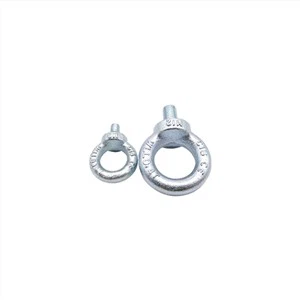
Screws and bolts are fundamental components in construction, manufacturing, and countless DIY projects, offering diverse solutions for joining materials. Understanding the cost differences between various types of screws and bolts is crucial for both professionals and hobbyists, as it can significantly impact project budgets. As a dedicated supplier of screws and bolts, I've witnessed firsthand the wide range of factors that influence the prices of these essential fasteners.


Material: The Foundation of Cost
One of the primary factors affecting the cost of screws and bolts is the material from which they are made. The choice of material determines the fastener's durability, strength, corrosion resistance, and ultimately, its price.
Steel: Steel is the most common material for screws and bolts due to its strength and affordability. Carbon steel, in particular, is widely used for general-purpose applications. It offers good strength at a relatively low cost, making it a popular choice for construction and industrial projects where corrosion is not a major concern. However, steel is prone to rust, so if the fasteners will be exposed to moisture or harsh environments, they may require additional coating or plating for protection. Alloy Steel Cup Point Set Screws are a great example, made from a stronger alloy that can handle more stress. You can find a wide selection of these Alloy Steel Cup Point Set Screws.
Stainless Steel: Stainless steel screws and bolts are highly resistant to corrosion, making them ideal for outdoor applications, marine environments, and areas with high humidity. The addition of chromium and other alloying elements gives stainless steel its corrosion-resistant properties, but it also increases the cost. The higher the grade of stainless steel and the more complex the machining process, the more expensive the fasteners will be. Stainless Steel Square Neck Carriage Bolts are very useful in outdoor wood - to - metal connections and provide both strength and corrosion resistance.
Brass and Bronze: These non - ferrous metals are known for their excellent corrosion resistance and attractive appearance. They are often used in applications where aesthetics are important, such as decorative hardware or electrical connections. However, the cost of brass and bronze is generally higher than that of steel due to the cost of the raw materials and the more complex manufacturing processes involved.
Titanium: Titanium screws and bolts are extremely lightweight and have a high strength - to - weight ratio. They are also highly resistant to corrosion, even in the most aggressive environments. However, titanium is an expensive material, and the manufacturing process for titanium fasteners is complex and costly. As a result, titanium screws and bolts are typically used in high - end applications, such as aerospace and medical devices.
Size and Length
The size and length of screws and bolts also play a significant role in determining their cost. Larger and longer fasteners generally require more material to manufacture, which increases the raw material cost. Additionally, the manufacturing process for larger and longer fasteners may be more complex, as they may require specialized equipment and longer production times.
For example, a 1 - inch screw will typically cost less than a 3 - inch screw of the same type and material. This is because the 3 - inch screw uses more raw material and may take longer to produce. Similarly, large - diameter bolts are more expensive than small - diameter bolts due to the increased amount of material and the more substantial manufacturing processes.
Thread Type and Design
The type of thread and the design of the screw or bolt can also affect its cost. Standard machine threads are commonly used in a wide range of applications and are relatively inexpensive to manufacture. However, special or custom threads, such as metric threads or fine - pitch threads, may require specialized equipment and tooling, which can increase the cost.
Some screw designs are more complex and require additional manufacturing steps. For instance, self - drilling screws have a special tip that allows them to drill their own hole as they are being driven into the material. This feature requires a more precise manufacturing process and specially treated tips, which makes Pan Head Self Drilling Screws generally more expensive than standard screws. Set screws, which are used to secure an object within or against another object, can have different point styles (such as cup point, flat point, etc.), and each style may have a different manufacturing complexity and cost.
Quantity and Bulk Purchasing
The quantity of screws and bolts purchased has a direct impact on their cost. Buying in bulk is almost always more cost - effective than purchasing small quantities. When you order a large quantity of fasteners, suppliers can offer lower prices per unit due to economies of scale. They can reduce per - unit manufacturing costs, packaging costs, and shipping costs.
For example, if you need only a few screws for a small home repair project, you may pay a relatively high price per screw at a local hardware store. However, if you are a contractor or a manufacturer and need thousands of screws for a large - scale project, purchasing in bulk from a supplier like us can result in significant cost savings.
Brand and Quality
Well - known brands often command higher prices for their screws and bolts. These brands have a reputation for quality, reliability, and consistency. They may invest more in research and development, use higher - quality raw materials, and have more stringent quality control measures in place.
While it may be tempting to opt for cheaper, no - name fasteners, it's important to consider the long - term costs. Low - quality fasteners may fail prematurely, leading to costly repairs or replacements. In contrast, high - quality fasteners from reputable brands are more likely to perform as expected and have a longer lifespan, which can save you money in the long run.
Cost Comparison Examples
Let's take a closer look at some specific cost comparisons between different types of screws and bolts.
- A box of 100 standard carbon steel wood screws, 1 - inch in length, may cost around $5 - $10, depending on the brand and quality.
- A box of 100 stainless steel wood screws of the same size can cost anywhere from $15 - $30, due to the higher cost of stainless steel.
- A single large - size titanium bolt, say 1 - inch in diameter and 6 inches in length, can cost upwards of $50, while a similar - sized carbon steel bolt may cost only a few dollars.
Conclusion
In conclusion, the cost differences between different types of screws and bolts are influenced by a variety of factors, including material, size, thread type, quantity, and brand. As a supplier, we understand the importance of providing our customers with high - quality fasteners at competitive prices. We offer a wide range of screws and bolts to meet the diverse needs of our customers, whether you are a professional contractor working on a large - scale construction project or a DIY enthusiast tackling a home improvement task.
If you are in the market for screws and bolts and want to discuss your specific requirements, we are here to help. Our team of experts can provide you with detailed information about the different types of fasteners available, their costs, and which ones are best suited for your project. Contact us today to start your procurement process and get the best value for your money.
References
- "Fasteners Handbook" by Industrial Press Inc.
- "Mechanical Fastening and Joining" edited by R. H. Leggatt.