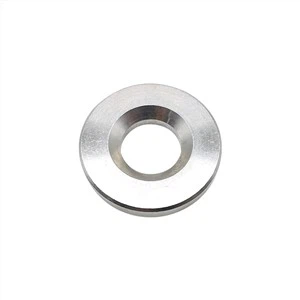
When it comes to using washers, even the most experienced DIYers and professionals can sometimes make mistakes. As a washer supplier, I've seen firsthand the issues that can arise from improper washer use. In this blog post, I'll discuss some of the common mistakes people make when using washers and provide tips on how to avoid them.
1. Incorrect Washer Selection
One of the most prevalent mistakes is choosing the wrong type of washer for the job. There are various types of washers available, each designed for specific applications. For example, flat washers are used to distribute the load of a fastener over a larger area, preventing damage to the surface being fastened. On the other hand, Spring Lock Washers are designed to prevent nuts and bolts from loosening due to vibration.
Using the wrong type of washer can lead to a range of problems. If you use a flat washer when a lock washer is needed, the fastener may loosen over time, compromising the integrity of the joint. Conversely, using a lock washer in a situation where a flat washer would be more appropriate can cause unnecessary stress on the fastener and the surface it's attached to.
To avoid this mistake, always consider the specific requirements of your project before selecting a washer. Think about factors such as the type of load the fastener will be承受, the material of the surfaces being joined, and whether there will be any vibration or movement. If you're unsure which type of washer to use, don't hesitate to consult with a professional or refer to the manufacturer's guidelines.
2. Using the Wrong Size Washer
Another common error is using a washer that is either too large or too small for the fastener. An Oversized Washer may not fit properly around the fastener, which can result in the fastener not being tightened correctly. This can lead to a loose joint that is prone to failure. On the other hand, an undersized washer may not distribute the load evenly, causing excessive stress on the fastener and the surface it's attached to.
To ensure you're using the correct size washer, measure the diameter of the fastener's shank and the outer diameter of the nut or bolt head. The inner diameter of the washer should be slightly larger than the fastener's shank diameter, while the outer diameter should be large enough to provide adequate support. You can also refer to size charts provided by washer manufacturers to find the appropriate washer size for your fastener.
3. Improper Installation
Even if you've selected the right type and size of washer, improper installation can still lead to problems. One common mistake is not installing the washer in the correct orientation. For example, some washers, such as lock washers, have a specific way they should be installed to function properly. If a lock washer is installed backwards, it won't be able to prevent the fastener from loosening.


Another installation error is not tightening the fastener properly. If the fastener is not tightened enough, the washer won't be able to perform its function of distributing the load evenly. On the other hand, over - tightening the fastener can cause the washer to deform or even break, which can also compromise the integrity of the joint.
To install washers correctly, follow these steps:
- Clean the surfaces where the washer will be installed to remove any dirt, debris, or rust.
- Place the washer on the fastener in the correct orientation.
- Insert the fastener through the joint and start tightening the nut or bolt by hand to ensure it's properly aligned.
- Use a wrench or other appropriate tool to tighten the fastener to the recommended torque specification. Refer to the manufacturer's guidelines for the correct torque value.
4. Neglecting Washer Maintenance
Washers are often overlooked when it comes to maintenance, but they play a crucial role in the performance of a joint. Over time, washers can become worn, corroded, or damaged, which can affect their ability to function properly. Ignoring washer maintenance can lead to premature failure of the joint and potentially costly repairs.
To maintain your washers, regularly inspect them for signs of wear, corrosion, or damage. If you notice any issues, replace the washer immediately. You can also take steps to prevent corrosion, such as using Stainless Steel Flat Washers in environments where corrosion is a concern or applying a protective coating to the washers.
5. Using Low - Quality Washers
Using low - quality washers is a mistake that can have serious consequences. Low - quality washers may not be made to the same standards as high - quality ones, which means they may be more prone to failure. They may not distribute the load evenly, may not hold up well under stress, and may be more likely to corrode or break.
When purchasing washers, it's important to choose a reputable supplier that offers high - quality products. Look for washers that are made from durable materials and have been tested to meet industry standards. While high - quality washers may be more expensive upfront, they can save you money in the long run by reducing the need for frequent replacements and preventing costly repairs.
Conclusion
Avoiding these common mistakes when using washers can significantly improve the performance and longevity of your joints. By selecting the right type and size of washer, installing it correctly, maintaining it properly, and using high - quality products, you can ensure that your projects are secure and reliable.
If you're in the market for washers, I invite you to reach out to us. As a trusted washer supplier, we offer a wide range of high - quality washers to meet your needs. Whether you're working on a small DIY project or a large industrial application, we have the expertise and products to help you get the job done right. Contact us today to discuss your requirements and start a purchase negotiation.
References
- Machinery's Handbook: A comprehensive reference book for mechanical engineering and manufacturing, which provides detailed information on fasteners and washers.
- Fastener Standards: Various industry standards, such as ASTM, ISO, and DIN, which define the specifications for different types of washers.
- Manufacturer's Product Literature: Information provided by washer manufacturers, including product specifications, installation instructions, and application guidelines.