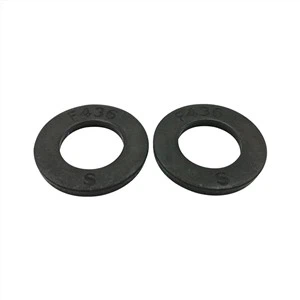
Brass washers are a staple in various industries, offering a unique set of advantages that make them a preferred choice for many applications. As a seasoned washer supplier, I've witnessed firsthand the diverse benefits that brass washers bring to the table. In this blog post, I'll delve into the key advantages of using brass washers, exploring their properties, applications, and why they stand out in the world of fasteners.
1. Corrosion Resistance
One of the most significant benefits of brass washers is their excellent corrosion resistance. Brass is an alloy primarily composed of copper and zinc, which gives it a natural resistance to oxidation and rust. This makes brass washers ideal for use in environments where exposure to moisture, chemicals, or other corrosive elements is a concern.
In marine applications, for example, brass washers are commonly used to secure components on boats and other watercraft. The saltwater environment is highly corrosive, and traditional steel washers would quickly rust and deteriorate. Brass washers, on the other hand, can withstand the harsh conditions and maintain their integrity over time.
Similarly, in plumbing systems, brass washers are a popular choice due to their resistance to water corrosion. They can be used to seal joints and prevent leaks in pipes, faucets, and other plumbing fixtures. The corrosion resistance of brass ensures that the washers will not degrade and cause issues with the plumbing system, providing long-lasting performance.
2. Electrical Conductivity
Brass is an excellent conductor of electricity, making brass washers suitable for electrical applications. In electrical circuits, washers are often used to provide a stable connection between components and prevent electrical arcing. The high electrical conductivity of brass ensures that the current can flow smoothly through the washer, reducing the risk of electrical failures.
For example, in electronic devices, brass washers can be used to secure circuit boards and other components. The electrical conductivity of the brass washers helps to dissipate heat and prevent overheating, which can damage the electronic components. Additionally, brass washers can be used in electrical switches and connectors to ensure a reliable electrical connection.
3. Thermal Conductivity
In addition to its electrical conductivity, brass also has good thermal conductivity. This means that brass washers can effectively transfer heat away from the area where they are used. In applications where heat dissipation is important, such as in engines or electrical equipment, brass washers can help to prevent overheating and extend the lifespan of the components.
For instance, in automotive engines, brass washers can be used to secure gaskets and other components. The thermal conductivity of the brass washers helps to transfer heat from the engine to the surrounding environment, preventing the engine from overheating. This can improve the performance and reliability of the engine, reducing the risk of breakdowns and costly repairs.
4. Ductility and Malleability
Brass is a ductile and malleable metal, which means that it can be easily shaped and formed into different sizes and shapes. This makes brass washers highly versatile and suitable for a wide range of applications.
Brass washers can be manufactured in various thicknesses, diameters, and shapes to meet the specific requirements of different applications. They can be stamped, machined, or forged to create custom washers with precise dimensions. The ductility and malleability of brass also allow for easy installation and removal of the washers, making them convenient to use.


5. Aesthetic Appeal
In addition to their functional benefits, brass washers also have an aesthetic appeal. The golden color of brass gives it a rich and elegant look, making it a popular choice for decorative applications.
In architectural and interior design, brass washers can be used to add a touch of style and sophistication to furniture, fixtures, and other decorative elements. They can be used to secure handles, knobs, and other hardware, enhancing the overall appearance of the product. The aesthetic appeal of brass washers makes them a popular choice for both residential and commercial applications.
6. Cost-Effectiveness
While brass washers may be more expensive than some other types of washers, such as carbon steel washers, they offer a good balance between cost and performance. The corrosion resistance, electrical conductivity, and other properties of brass washers make them a long-lasting and reliable choice, which can ultimately save money in the long run.
In addition, the versatility of brass washers means that they can be used in a wide range of applications, reducing the need to purchase different types of washers for different purposes. This can also help to save money on inventory and procurement costs.
Applications of Brass Washers
Due to their numerous benefits, brass washers are used in a wide variety of applications across different industries. Some of the common applications of brass washers include:
- Automotive Industry: Brass washers are used in engines, transmissions, and other automotive components to provide a secure connection and prevent leaks.
- Electrical Industry: Brass washers are used in electrical circuits, switches, and connectors to ensure a reliable electrical connection and prevent arcing.
- Plumbing Industry: Brass washers are used in plumbing systems to seal joints and prevent leaks in pipes, faucets, and other fixtures.
- Marine Industry: Brass washers are used in boats and other watercraft to secure components and withstand the harsh marine environment.
- Architectural and Interior Design: Brass washers are used in furniture, fixtures, and other decorative elements to add a touch of style and sophistication.
Comparison with Other Types of Washers
While brass washers offer many benefits, it's important to note that they may not be the best choice for every application. Here's a comparison of brass washers with some other common types of washers:
- Carbon Steel Washers: Carbon steel washers are a more economical option compared to brass washers. However, they are not as corrosion-resistant as brass washers and may require additional coating or treatment to prevent rust. You can find more information about Carbon Steel Plain Washer.
- Stainless Steel Washers: Stainless steel washers offer excellent corrosion resistance, similar to brass washers. However, they are more expensive than brass washers and may not have the same electrical conductivity.
- Spring Washers: Spring washers, such as Square Flat Spring Washer, are designed to provide a spring force to prevent loosening of fasteners. While brass washers can be used in some applications where a spring force is required, spring washers are specifically designed for this purpose.
- Flat Washers: Flat Washers are the most common type of washer and are used to distribute the load of a fastener. Brass flat washers offer the additional benefits of corrosion resistance, electrical conductivity, and aesthetic appeal.
Conclusion
In conclusion, brass washers offer a wide range of benefits that make them a valuable component in various industries. Their corrosion resistance, electrical conductivity, thermal conductivity, ductility, malleability, aesthetic appeal, and cost-effectiveness make them a preferred choice for many applications.
As a washer supplier, I understand the importance of providing high-quality brass washers that meet the specific requirements of our customers. Whether you need brass washers for automotive, electrical, plumbing, marine, or architectural applications, we have the expertise and resources to provide you with the right solution.
If you're interested in learning more about our brass washers or other types of washers, please don't hesitate to contact us. We'd be happy to discuss your needs and provide you with a quote. Let's work together to find the perfect washer solution for your project.
References
- ASM Handbook, Volume 2: Properties and Selection: Nonferrous Alloys and Special-Purpose Materials
- Machinery's Handbook, 31st Edition
- ASTM International Standards for Brass Alloys