Unstandard parts play a crucial role in various industries due to their specific requirements that standard parts cannot meet. As a supplier of unstandard parts, I understand the importance of maintaining these unique components to ensure their performance, longevity, and safety. In this blog, I'll share some key strategies on how to maintain unstandard parts effectively.
Understanding the Nature of Unstandard Parts
Before delving into maintenance strategies, it's essential to understand what makes unstandard parts unique. Unlike standard parts, which are mass - produced and widely available with well - established specifications, unstandard parts are designed and manufactured according to specific customer needs. This could involve custom shapes, sizes, materials, or performance characteristics.
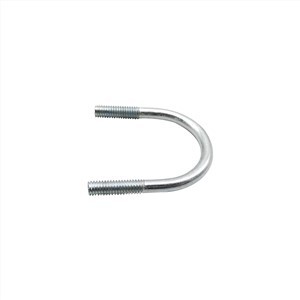
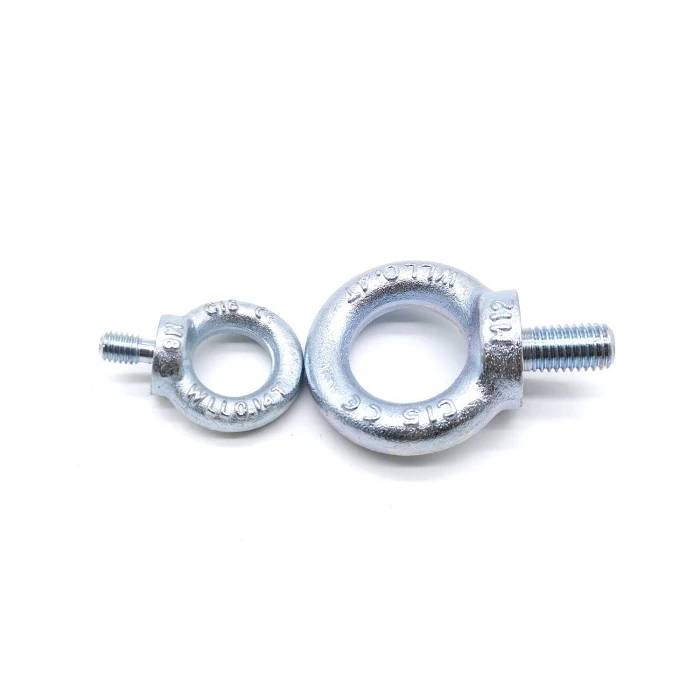
For example, a client might need U Bolts with a non - standard diameter or thread pitch to fit a particular machinery or structure. Or perhaps Lifting Eye Bolts with a special load - bearing capacity for a unique lifting application. Due to their custom nature, maintenance of unstandard parts often requires a more tailored approach.
Inspection and Monitoring
Regular inspection is the cornerstone of maintaining unstandard parts. A comprehensive inspection can help detect early signs of wear, damage, or potential failure. The frequency of inspections depends on several factors, such as the operating environment, usage intensity, and the criticality of the part.
Visual Inspection: For most unstandard parts, a visual inspection is the first step. Look for signs of corrosion, cracks, deformation, or excessive wear. For instance, in the case of Eyes Bolts FormB, check the eye section for any signs of stretching or cracking. Also, examine the threads for galling or wear, which can affect the bolt's ability to secure properly.
Dimensional Inspection: Since unstandard parts are customized, precise dimensions are crucial. Use appropriate measuring tools like calipers, micrometers, or gauges to check the part's dimensions regularly. If the dimensions deviate from the original specifications, it could indicate wear or a manufacturing defect that needs to be addressed.
Non - destructive Testing (NDT): For parts where visual inspection may not be sufficient to detect internal flaws, NDT methods such as ultrasonic testing, magnetic particle inspection, or dye penetrant testing can be employed. These techniques can identify hidden cracks or defects that could compromise the part's integrity.
Cleaning and Lubrication
Proper cleaning and lubrication are vital for maintaining the functionality of unstandard parts.
Cleaning: Remove dirt, debris, and contaminants from the parts regularly. The cleaning method depends on the material of the part. For metal parts, a mild solvent or detergent can be used, followed by a thorough rinse and drying. Avoid using abrasive cleaners that can damage the surface of the part. For example, when cleaning Galvanized Steel Eyebolts, use a soft cloth and a non - abrasive cleaner to preserve the galvanized coating.
Lubrication: Lubricants reduce friction, wear, and corrosion, and improve the overall performance of moving parts. Select the appropriate lubricant based on the part's operating conditions, such as temperature, speed, and load. For instance, in high - temperature environments, a high - temperature grease should be used. Regularly apply the lubricant to moving components like threads or pivots to ensure smooth operation.
Environmental Considerations
The operating environment has a significant impact on the maintenance of unstandard parts.
Climate: In humid or corrosive environments, unstandard parts are more prone to rust and corrosion. Use corrosion - resistant coatings or materials whenever possible. For example, if the parts are exposed to a marine environment, consider using stainless steel or parts with a special anti - corrosion coating.
Dust and Debris: In dusty or dirty environments, dust and debris can accumulate on the parts, causing abrasion and wear. Install protective covers or enclosures to prevent the ingress of dust. Regularly clean the protective covers to ensure their effectiveness.
Storage
Proper storage is essential when unstandard parts are not in use.
Storage Conditions: Store the parts in a clean, dry, and temperature - controlled environment. Avoid storing the parts in areas prone to moisture, extreme temperatures, or direct sunlight, as these conditions can cause damage to the parts.
Packaging: Use appropriate packaging materials to protect the parts during storage. For small parts, use sealed plastic bags or containers to prevent dust and moisture from entering. For larger parts, use protective covers or wraps.
Documentation and Record - Keeping
Maintaining detailed documentation and records is crucial for the effective maintenance of unstandard parts.
Part Specifications: Keep a copy of the original part specifications, including drawings, materials, and manufacturing processes. This information is essential for inspection, repair, and replacement.
Maintenance History: Record all maintenance activities, including inspection results, cleaning, lubrication, and any repairs or replacements. This history can help identify trends and predict future maintenance needs.
Training and Expertise
Ensure that the personnel responsible for maintaining unstandard parts have the necessary training and expertise.
Training Programs: Provide regular training programs on the proper inspection, cleaning, lubrication, and repair of unstandard parts. The training should cover the specific characteristics of the parts and the appropriate maintenance procedures.
Consultation: In some cases, it may be necessary to consult with experts or engineers. For complex unstandard parts, an expert can provide valuable advice on maintenance strategies and troubleshooting.

Conclusion
Maintaining unstandard parts requires a combination of regular inspection, proper cleaning and lubrication, consideration of the operating environment, appropriate storage, detailed documentation, and trained personnel. By implementing these strategies, you can extend the lifespan of unstandard parts, improve their performance, and reduce the risk of unexpected failures.
If you are in need of high - quality unstandard parts and professional advice on their maintenance, we are here to assist you. We have a wide range of unstandard parts, including U Bolts, Lifting Eye Bolts, Eyes Bolts FormB, Male - Female Threaded Hex Standoffs, and Galvanized Steel Eyebolts. Contact us to discuss your specific requirements and start a procurement negotiation.