Selecting the right size of drill bit for a screw is a crucial step in any DIY project or professional construction work. As a supplier of Screws And Bolts, I've seen firsthand how the wrong drill bit size can lead to a whole host of problems, from loose screws to damaged materials. In this blog post, I'll share some tips on how to choose the correct drill bit size for your screws, so you can ensure a successful and hassle - free installation.
Understanding Screw Sizes
Before we dive into drill bit sizes, it's important to understand how screw sizes are measured. Screws are typically sized by their diameter and length. The diameter is usually measured in inches or millimeters, and it refers to the width of the screw's shaft. The length is, of course, the measurement from the tip of the screw to the end of the head.
For example, a common screw size might be labeled as "#8 x 1 - 1/2". The "#8" indicates the screw's diameter, and the "1 - 1/2" represents the length in inches. Different types of screws, like Pan Head Self Drilling Screws, Slotted Hex Socket Set Screw With Flat Point, and Alloy Steel Cup Point Set Screws, come in various sizes to suit different applications.
Factors Affecting Drill Bit Selection
There are several factors that you need to consider when selecting a drill bit for a screw:
Material of the Workpiece
The material you're drilling into plays a huge role in determining the right drill bit size. For soft materials like wood, you can often use a drill bit that's slightly smaller than the screw's diameter. This allows the screw to create its own threads as it's driven in, providing a tight fit. For example, if you're using a #8 screw in wood, a 1/8 - inch drill bit might be a good choice.
On the other hand, when working with hard materials such as metal or concrete, you'll need a drill bit that matches the screw's diameter more precisely. Using a drill bit that's too small can cause the screw to break or damage the material, while a bit that's too large will result in a loose connection.
Type of Screw
Different types of screws have different requirements for drill bit sizes. Self - drilling screws, like the Pan Head Self Drilling Screws, are designed to drill their own holes as they're driven in. However, you still might need to pre - drill a small pilot hole in some cases, especially for thicker materials. The size of the pilot hole will depend on the thickness and hardness of the material.
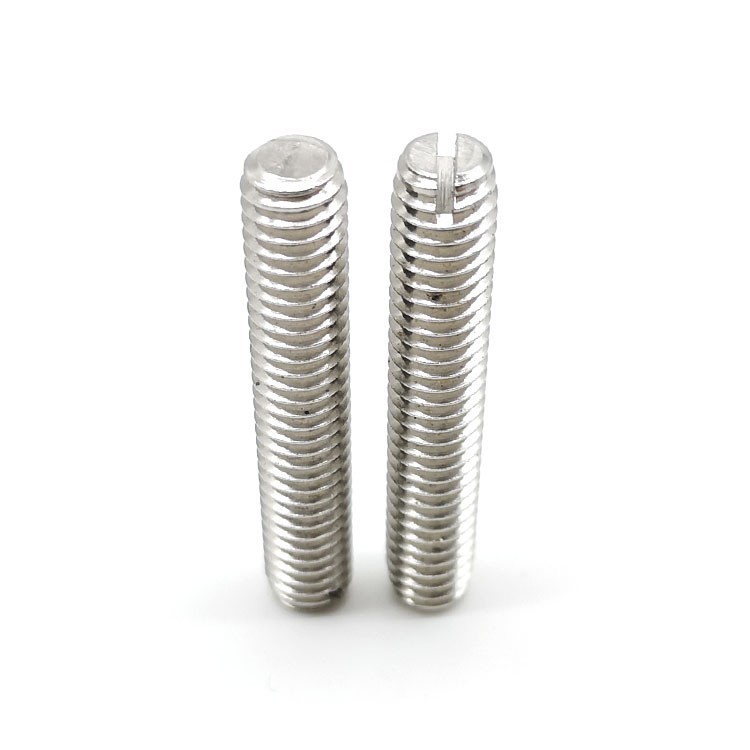
Set screws, such as Slotted Hex Socket Set Screw With Flat Point and Alloy Steel Cup Point Set Screws, are used to secure one object within another. For set screws, the drill bit size should be carefully selected to ensure a proper fit and a secure hold.
Thread Type
The thread type of the screw also matters. Coarse - threaded screws are better suited for soft materials, and you can use a relatively smaller drill bit. Fine - threaded screws, on the other hand, require a more precise drill bit size to ensure that the threads engage properly.
General Guidelines for Drill Bit Sizes
Here are some general guidelines to help you select the right drill bit size for common screw sizes:
| Screw Size | Drill Bit Size (for Wood) | Drill Bit Size (for Metal) |
|---|---|---|
| #2 | 1/16 inch | 1/16 inch |
| #4 | 5/64 inch | 3/32 inch |
| #6 | 3/32 inch | 7/64 inch |
| #8 | 1/8 inch | 9/64 inch |
| #10 | 5/32 inch | 11/64 inch |
| #12 | 3/16 inch | 13/64 inch |
Keep in mind that these are just general guidelines, and you may need to adjust the drill bit size based on the specific circumstances of your project.
Using a Drill Bit Gauge
One of the easiest ways to select the right drill bit size is to use a drill bit gauge. A drill bit gauge is a simple tool that has holes of different sizes. You can insert the screw into the holes until you find one that fits the screw snugly. The size of that hole corresponds to the drill bit size you should use.
Testing the Fit
Before you start drilling a large number of holes, it's a good idea to test the fit on a scrap piece of the same material. Drill a hole using the selected drill bit and then try inserting the screw. If the screw goes in too easily, the drill bit might be too large. If it's difficult to insert the screw or it strips the material, the drill bit might be too small.

Conclusion
Selecting the right size of drill bit for a screw is not as complicated as it might seem. By understanding the factors that affect drill bit selection, using general guidelines, and testing the fit, you can ensure a successful installation. As a Screws And Bolts supplier, I'm always here to help you with any questions you might have about screw and drill bit sizes. Whether you're working on a small DIY project or a large - scale construction job, having the right tools and knowledge is key.
If you're in the market for high - quality screws and bolts, we've got you covered. We offer a wide range of products, including Pan Head Self Drilling Screws, Slotted Hex Socket Set Screw With Flat Point, and Alloy Steel Cup Point Set Screws. Contact us for more information and to start a procurement discussion.
References
- "Handbook of Screw Machine Products"
- "DIY Home Improvement Guide"