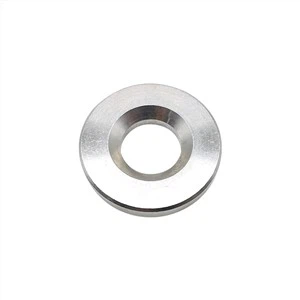
Screws and bolts are fundamental components in countless industries, from construction and automotive to electronics and furniture manufacturing. One of the most common questions we encounter as a leading supplier of screws and bolts is whether these fasteners come in metric and imperial sizes. The answer is a resounding yes, and in this blog post, we'll delve into the details of metric and imperial screw and bolt sizes, their differences, applications, and how we can help you find the right fasteners for your projects.
Understanding Metric and Imperial Systems
The metric system, also known as the International System of Units (SI), is widely used around the world. It is based on units of ten, making it easy to convert between different measurements. In the context of screws and bolts, metric sizes are specified in millimeters (mm) for both the diameter and the pitch (the distance between threads). For example, an M8 x 1.25 screw has a diameter of 8 mm and a pitch of 1.25 mm.
On the other hand, the imperial system, also known as the United States customary system, is primarily used in the United States and a few other countries. Imperial sizes are measured in inches and fractions of an inch. For screws and bolts, the diameter is typically specified in gauge numbers or fractions of an inch, and the pitch is given in threads per inch (TPI). For instance, a #10-32 screw has a diameter corresponding to a #10 gauge and 32 threads per inch.
Metric Screw and Bolt Sizes
Metric screws and bolts are available in a wide range of sizes, from tiny M1 screws used in electronics to large M100 bolts for heavy-duty construction applications. The metric system offers a standardized and precise way of specifying fastener sizes, which is particularly beneficial for international trade and manufacturing.
Some common metric screw and bolt sizes include:
- M3: Commonly used in electronics and small machinery.
- M4: Often found in automotive and aerospace applications.
- M5: Used in a variety of general-purpose applications, such as furniture assembly.
- M6: Widely used in construction and machinery.
- M8: A popular size for automotive and industrial applications.
- M10: Commonly used in heavy machinery and structural applications.
- M12: Used in large-scale construction and industrial projects.
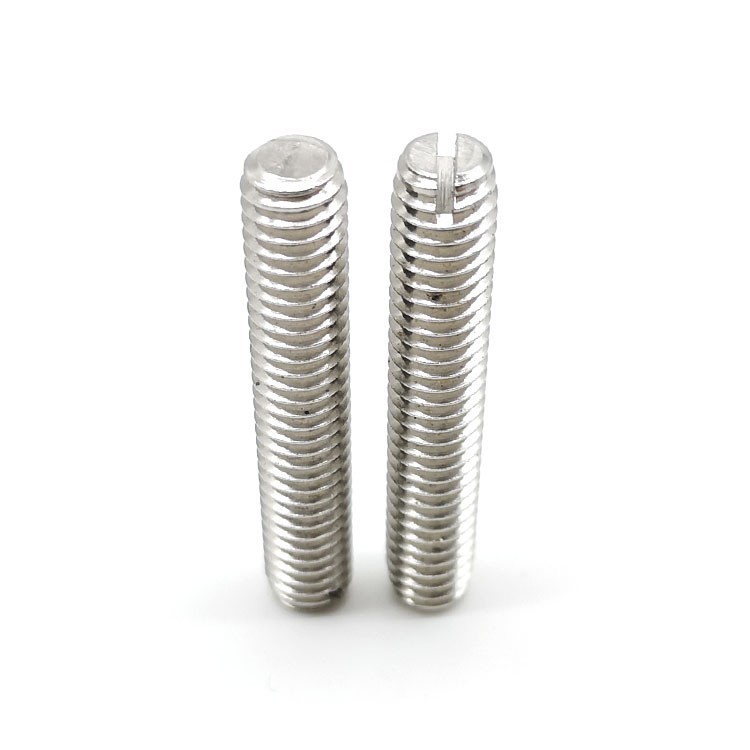
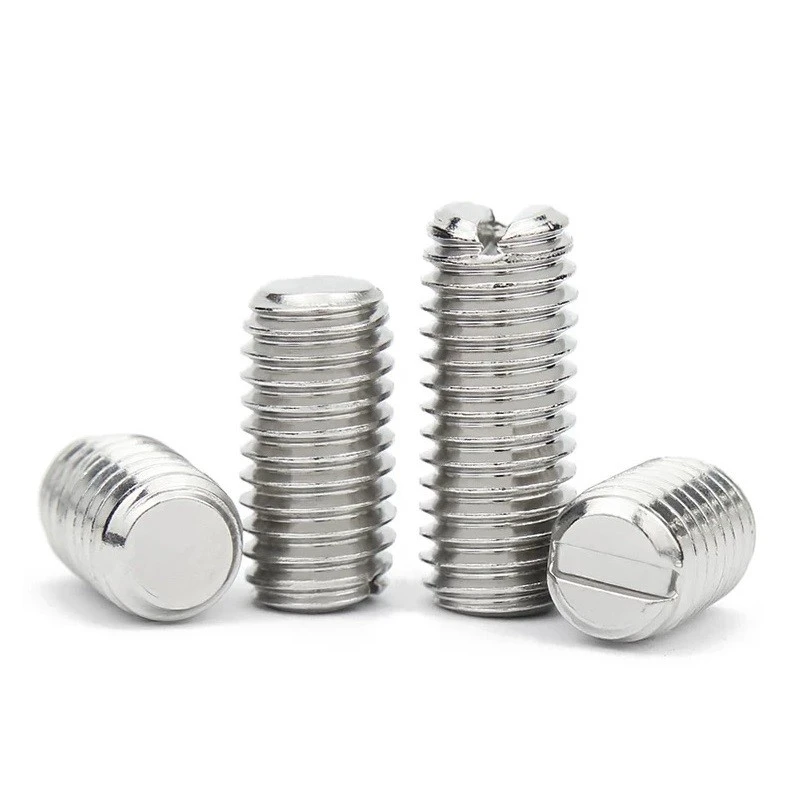
At our company, we offer a comprehensive range of metric screws and bolts, including Slotted Hex Socket Set Screw With Flat Point. These screws are designed for applications where a precise and secure fit is required, such as in machinery and equipment.
Imperial Screw and Bolt Sizes
Imperial screws and bolts are still widely used in the United States, especially in industries such as automotive, construction, and manufacturing. The imperial system offers a wide range of sizes to suit different applications, from small #0 screws used in jewelry making to large 2-inch diameter bolts for heavy construction.
Some common imperial screw and bolt sizes include:
- #2: Used in electronics and small appliances.
- #4: Commonly found in furniture and cabinetry.
- #6: Used in a variety of general-purpose applications.
- #8: A popular size for automotive and industrial applications.
- #10: Widely used in construction and machinery.
- 1/4 inch: Commonly used in automotive and plumbing applications.
- 5/16 inch: Used in a variety of heavy-duty applications.
- 3/8 inch: A popular size for construction and industrial projects.
- 1/2 inch: Commonly used in large-scale construction and machinery.
We also stock a wide selection of imperial screws and bolts, including Alloy Steel Cup Point Set Screws. These screws are made from high-quality alloy steel and are designed for applications where a strong and reliable connection is required, such as in machinery and equipment.
Differences Between Metric and Imperial Sizes
One of the main differences between metric and imperial sizes is the way they are measured. Metric sizes are based on the decimal system, which makes them easier to convert and work with. Imperial sizes, on the other hand, are based on fractions of an inch, which can be more difficult to convert and work with, especially for those who are not familiar with the system.
Another difference is the availability of sizes. While both metric and imperial sizes are widely available, metric sizes are more commonly used in international trade and manufacturing, while imperial sizes are more prevalent in the United States.
In addition, the thread profiles of metric and imperial screws and bolts are different. Metric threads have a 60-degree angle, while imperial threads have a 55-degree angle. This means that metric and imperial screws and bolts are not interchangeable, and it is important to use the correct size and type of fastener for your application.
Applications of Metric and Imperial Screws and Bolts
Both metric and imperial screws and bolts are used in a wide range of applications, depending on the industry and the specific requirements of the project.
Metric screws and bolts are commonly used in industries such as automotive, aerospace, electronics, and manufacturing, where precision and standardization are important. They are also widely used in international trade and manufacturing, as the metric system is the standard system of measurement in most countries.
Imperial screws and bolts are primarily used in the United States, especially in industries such as construction, automotive, and plumbing. They are also commonly used in applications where a high level of strength and durability is required, such as in heavy machinery and structural applications.
Choosing the Right Screw and Bolt Size
Choosing the right screw and bolt size is crucial for ensuring the safety and reliability of your project. Here are some factors to consider when selecting the appropriate size:
- Load Requirements: Consider the amount of weight and stress that the fastener will be subjected to. Choose a size and type of fastener that can handle the load without failing.
- Material Compatibility: Make sure that the material of the screw or bolt is compatible with the material of the parts being fastened. For example, if you are fastening two pieces of aluminum, use a fastener made from a material that is compatible with aluminum, such as stainless steel or aluminum.
- Thread Type: Choose the correct thread type for your application. Metric and imperial threads are not interchangeable, so make sure you use the right type of fastener.
- Size and Length: Choose a screw or bolt that is the correct size and length for the application. The length of the fastener should be sufficient to penetrate the parts being fastened and provide a secure connection.
- Head Type: Consider the type of head on the screw or bolt. Different head types are designed for different applications, such as countersunk heads for flush mounting and hex heads for easy tightening.
Our Product Range
As a leading supplier of screws and bolts, we offer a comprehensive range of metric and imperial fasteners to meet the needs of our customers. Our product range includes:
- Screws: We offer a wide variety of screws, including machine screws, wood screws, self-tapping screws, and set screws. Our screws are available in different sizes, materials, and head types to suit your specific requirements.
- Bolts: We stock a range of bolts, including hex bolts, carriage bolts, and eye bolts. Our bolts are available in different sizes, materials, and finishes to provide a secure and reliable connection.
- Nuts and Washers: We also offer a selection of nuts and washers to complement our screws and bolts. Our nuts and washers are available in different sizes and materials to ensure a proper fit and a secure connection.
In addition to our standard product range, we also offer custom-made screws and bolts to meet your specific requirements. Our experienced team of engineers and technicians can work with you to design and manufacture fasteners that are tailored to your exact specifications.
Contact Us for Your Screw and Bolt Needs
If you are looking for high-quality metric and imperial screws and bolts, look no further than our company. We are committed to providing our customers with the best products and services at competitive prices.
Whether you need a small quantity of fasteners for a DIY project or a large order for a commercial application, we can help. Our knowledgeable sales team is available to answer your questions and provide you with expert advice on choosing the right screw and bolt size for your project.
To learn more about our product range or to place an order, please contact us today. We look forward to working with you and helping you find the perfect screws and bolts for your needs.
References
- Machinery's Handbook, 31st Edition
- Fastener Standards and Specifications, ASME B18.2.1
- Metric and Imperial Measurement Systems, National Institute of Standards and Technology (NIST)