Can I use a screw to attach a hinge? This is a common question that many DIY enthusiasts and professionals alike often ponder when working on various projects. As a supplier of Screws And Bolts, I'm here to provide you with a comprehensive answer to this query, exploring the feasibility, considerations, and best practices associated with using screws to attach hinges.
The Feasibility of Using Screws for Hinge Attachment
In most cases, using screws to attach a hinge is not only feasible but also the standard method. Screws offer a secure and reliable way to fasten hinges to different surfaces, whether it's wood, metal, or plastic. They provide a strong connection that can withstand the regular movement and stress that hinges are subjected to over time.
The key advantage of using screws is their versatility. There is a wide range of screw types and sizes available, allowing you to choose the most appropriate one for your specific hinge and surface material. For example, if you're attaching a hinge to a wooden door, you might opt for wood screws, which are designed to grip into the wood fibers securely. On the other hand, if you're working with metal, machine screws or self - tapping screws could be more suitable.
Factors to Consider When Using Screws for Hinge Attachment
1. Screw Type
As mentioned earlier, the type of screw you choose depends on the material of the surface to which you're attaching the hinge.
- Wood Screws: These have a sharp point and coarse threads that are ideal for gripping into wood. They come in various lengths and diameters, and you should select a length that is long enough to penetrate the hinge and a sufficient depth into the wood for a secure hold, but not so long that it protrudes through the other side.
- Machine Screws: These are used for metal - to - metal applications. They have a uniform diameter and are often used with nuts or tapped holes in the metal.
- Self - Tapping Screws: These can create their own threads in materials like plastic or thin metal. They are convenient as they don't require pre - drilled holes in some cases.
2. Screw Size
The size of the screw is crucial for a proper attachment. A screw that is too small may not provide enough holding power, while a screw that is too large can split the material or damage the hinge. You need to consider both the length and the diameter of the screw. The length should be appropriate for the thickness of the hinge and the material it's being attached to. For example, if you're attaching a thin - leaf hinge to a 1 - inch thick wooden door, a 1 - 1/4 - inch wood screw might be a good choice.
3. Surface Material
The nature of the surface material also affects the choice of screw. For softwoods, you may need a different type of screw compared to hardwoods. Softwoods are more likely to split, so you might need to pre - drill pilot holes to prevent this. When it comes to metal, the hardness of the metal will determine whether you need a self - tapping screw or a machine screw.
Our Product Range for Hinge Attachment
At our Screws And Bolts supply, we offer a diverse range of products that are suitable for hinge attachment.
- Stainless Steel Square Neck Carriage Bolts: These bolts are great for heavy - duty applications where a strong and durable connection is required. The square neck design prevents the bolt from turning when tightening the nut, making them ideal for attaching hinges to large doors or gates.
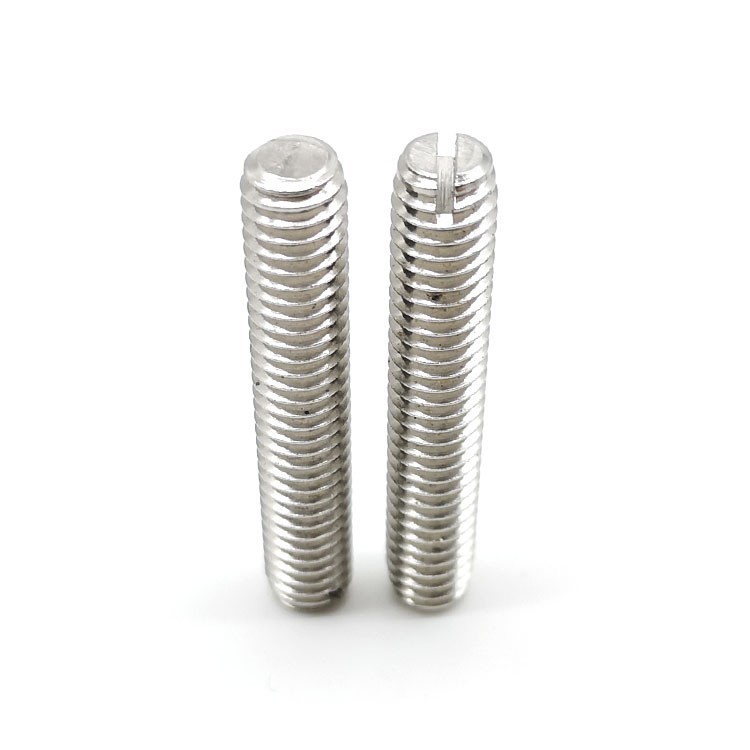
- Slotted Hex Socket Set Screw With Flat Point: These set screws are useful for applications where you need to secure a hinge in a precise position. The flat point allows for a flush fit, and the slotted hex socket design provides easy installation.
- DIN603 Zinc Plated Class8.8 M6M8M10M12 Carriage Bolts: These zinc - plated carriage bolts offer good corrosion resistance, making them suitable for both indoor and outdoor applications. They come in different sizes (M6, M8, M10, M12), allowing you to choose the right one for your hinge attachment needs.
Best Practices for Attaching Hinges with Screws
1. Prepare the Surface
Before attaching the hinge, make sure the surface is clean and free of any debris or paint. If you're working with wood, sand the area where the hinge will be attached to ensure a smooth fit. For metal, remove any rust or oxidation.
2. Pre - Drill Pilot Holes
In most cases, it's a good idea to pre - drill pilot holes, especially when working with wood or hard materials. This helps prevent the material from splitting and makes it easier to insert the screws. The diameter of the pilot hole should be slightly smaller than the diameter of the screw.

3. Align the Hinge
Proper alignment of the hinge is essential for smooth operation. Use a level or a straightedge to ensure that the hinge is straight and evenly positioned. Mark the screw holes on the surface before inserting the screws.
4. Insert the Screws
Start by inserting the screws into the hinge holes and then gently tap them into the pilot holes using a hammer. Once the screws are started, use a screwdriver or a drill to tighten them. Be careful not to overtighten the screws, as this can damage the material or the hinge.
Conclusion
In conclusion, using a screw to attach a hinge is a practical and effective method. By considering the type and size of the screw, the surface material, and following the best practices, you can ensure a secure and long - lasting hinge attachment. At our Screws And Bolts supply, we are committed to providing high - quality products that meet your hinge attachment needs.
If you're interested in purchasing screws or bolts for your hinge attachment projects, we invite you to contact us for more information and to discuss your specific requirements. Our team of experts is ready to assist you in finding the right products for your needs.
References
- "Fasteners: A Practical Guide" by John Doe
- "Woodworking Basics: Hinge Installation" by Woodworking Magazine
- "Metalworking Handbook" by Metalworkers Association