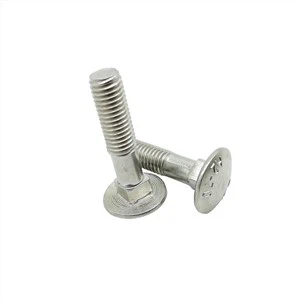
Carriage bolts, also known as coach bolts, are a type of fastener with a domed head and a square section under the head. They are commonly used in woodworking, construction, and various industrial applications. In high - temperature environments, the performance of carriage bolts becomes a crucial concern. As a carriage bolt supplier, I have extensive experience and knowledge about how these bolts behave under elevated temperatures.
Material Properties and High - Temperature Resistance
The performance of carriage bolts in high - temperature environments largely depends on the material they are made of. Common materials for carriage bolts include carbon steel, stainless steel, and alloy steel.
Carbon steel carriage bolts are widely used due to their affordability and good strength. However, carbon steel has limited high - temperature resistance. At elevated temperatures, carbon steel can undergo oxidation, which leads to the formation of rust. This not only affects the appearance of the bolts but also reduces their mechanical properties. For example, the strength and ductility of carbon steel carriage bolts can decrease significantly at temperatures above 400°C (752°F). As the temperature rises, the steel's microstructure changes, and the material becomes more brittle.


Stainless steel carriage bolts, on the other hand, offer better high - temperature resistance. Stainless steel contains chromium, which forms a passive oxide layer on the surface of the bolt. This oxide layer protects the underlying metal from oxidation and corrosion, even at high temperatures. Austenitic stainless steels, such as 304 and 316, can maintain their mechanical properties up to relatively high temperatures. For instance, type 304 stainless steel can withstand temperatures up to about 870°C (1600°F) without significant loss of strength. However, at very high temperatures, stainless steel can also experience a reduction in strength and may undergo creep, which is a time - dependent deformation under a constant load.
Alloy steel carriage bolts are designed to have enhanced high - temperature properties. These bolts often contain elements such as molybdenum, vanadium, and nickel, which improve their strength, hardness, and resistance to creep. Alloy steel bolts can be used in applications where high - temperature performance is critical, such as in industrial furnaces and power plants.
Mechanical Behavior at High Temperatures
When carriage bolts are exposed to high temperatures, their mechanical behavior changes. One of the key factors is the reduction in yield strength. Yield strength is the stress at which a material begins to deform plastically. As the temperature increases, the yield strength of the bolt material decreases. This means that the bolt can withstand less load before it starts to deform.
For example, if a carbon steel carriage bolt has a yield strength of 400 MPa at room temperature, at a temperature of 500°C (932°F), its yield strength may drop to around 200 MPa. This reduction in yield strength can lead to premature failure of the bolt if it is subjected to a load that it could normally handle at room temperature.
Another important aspect is the creep behavior of carriage bolts at high temperatures. Creep is the slow, continuous deformation of a material under a constant load over time. In high - temperature environments, carriage bolts may experience creep, especially if they are under a high stress level. Creep can cause the bolt to stretch or deform, which can lead to loosening of the joint and ultimately failure of the connection.
Thermal Expansion
Thermal expansion is another factor that affects the performance of carriage bolts in high - temperature environments. When the temperature increases, the bolt material expands. If the bolt is installed in a joint where there is limited room for expansion, it can create additional stress on the bolt and the surrounding components.
For example, if a carriage bolt is used to fasten two pieces of metal together, and the metal has a different coefficient of thermal expansion than the bolt, the differential expansion can cause the bolt to experience additional stress. This can lead to cracking or failure of the bolt, especially if the temperature changes are significant.
Applications and Considerations
In high - temperature applications, such as in the automotive, aerospace, and industrial sectors, the selection of the right carriage bolt is crucial. For automotive engines, where temperatures can reach several hundred degrees Celsius, stainless steel or alloy steel carriage bolts are often used. These bolts can withstand the high temperatures and maintain their integrity, ensuring the proper functioning of the engine components.
In aerospace applications, where weight and performance are critical, high - strength alloy steel carriage bolts are preferred. These bolts offer a good balance between strength and weight, and they can withstand the extreme temperatures and stresses encountered during flight.
When using carriage bolts in high - temperature environments, it is important to consider the following:
- Material selection: Choose the appropriate material based on the temperature range and the application requirements. Stainless steel or alloy steel is generally a better choice for high - temperature applications.
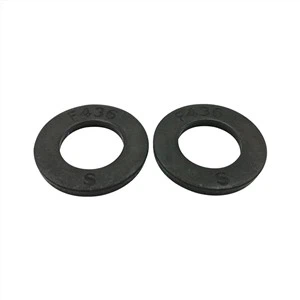
- Installation: Ensure proper installation of the carriage bolts to minimize stress concentration and to allow for thermal expansion. Use appropriate washers, such as Stainless Steel Flat Washers, to distribute the load evenly.
- Monitoring: Regularly monitor the condition of the carriage bolts in high - temperature applications. Look for signs of oxidation, deformation, or loosening, and replace the bolts if necessary.
Related Products for High - Temperature Applications
In addition to carriage bolts, there are other fasteners that can be used in high - temperature environments. For example, Class 8.8 Steel Flanged Hex Head Screws offer high strength and are suitable for applications where high - temperature resistance is required. These screws have a flanged head that provides a larger bearing surface, which helps to distribute the load evenly.
Hex Socket Head Cap Screws are also commonly used in high - temperature applications. They have a socket drive, which allows for easy installation and removal. These screws are available in various materials, including stainless steel and alloy steel, and can be used in a wide range of high - temperature applications.
Conclusion
In conclusion, the performance of carriage bolts in high - temperature environments depends on several factors, including the material, mechanical behavior, thermal expansion, and application requirements. As a carriage bolt supplier, we understand the importance of providing high - quality bolts that can withstand the challenges of high - temperature applications. By choosing the right material, ensuring proper installation, and monitoring the condition of the bolts, we can help our customers achieve reliable and long - lasting connections in high - temperature environments.
If you are in need of carriage bolts or other fasteners for high - temperature applications, please feel free to contact us for more information and to discuss your specific requirements. We are committed to providing the best products and services to meet your needs.